
Opening a restaurant is one of the few businesses where you can work 70 hours a week and still not know if you’ll pay yourself this month. The income question isn’t simple, and anyone who gives you a single number is leaving out the context that actually matters.
Restaurant owner earnings can range from under $20,000 to over $300,000 annually, with most landing somewhere between $45,500 and $100,000. Below, we break down what drives that range, how owners actually pay themselves, and what you can do to land on the higher end.
2026 Labor Costs Playbook
Increase your bottom line with insights from over 500 restaurant pros—learn the true cost of employee turnover, the best way to manage labor costs, and proven strategies to protect profits.
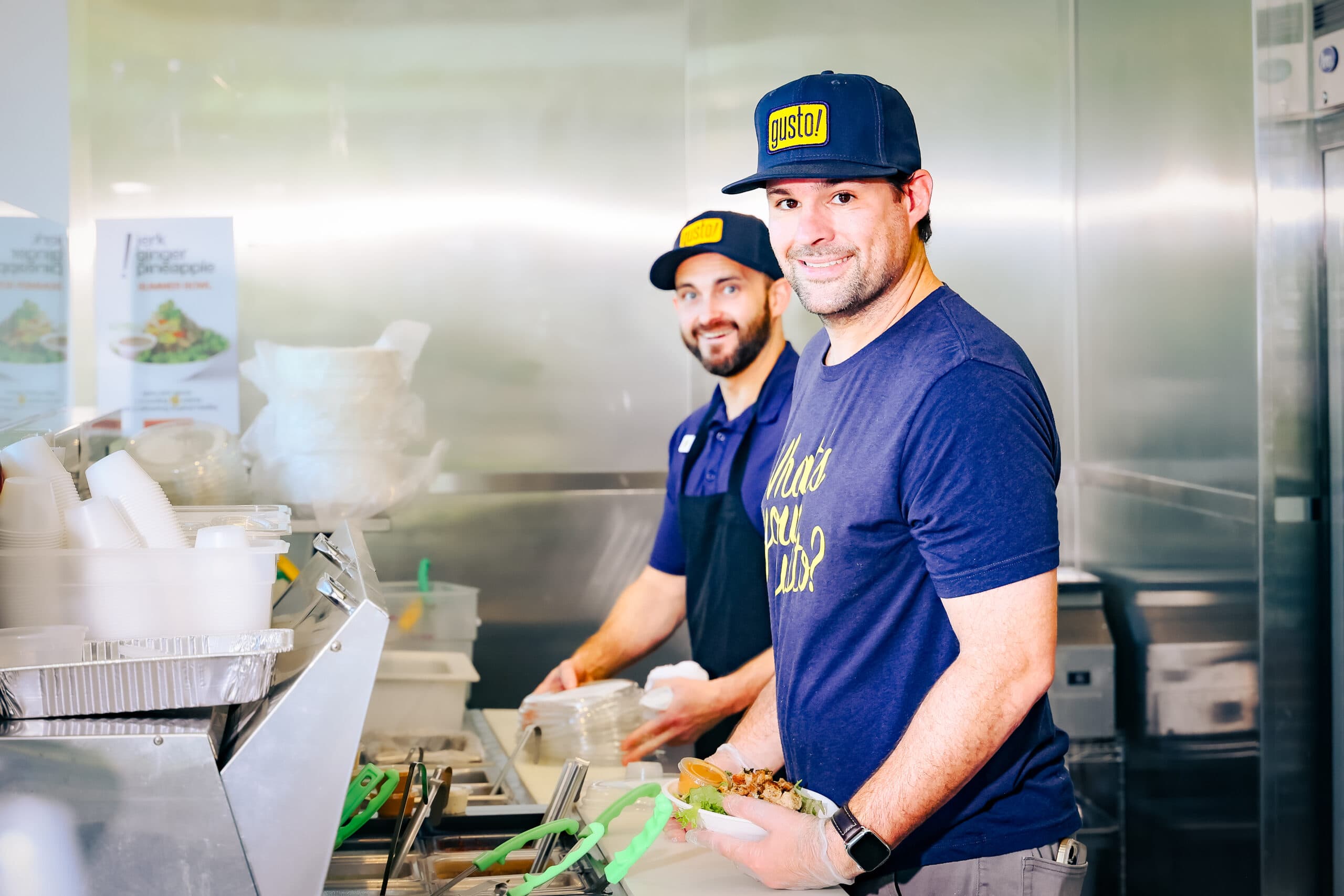
What is the average restaurant owner salary?
Restaurant owners in the U.S. typically earn between $45,500 and $100,000 annually. That said, the range is wide. Some owners take home under $20,000, while others clear $300,000 or more.
Here are what some sources have to say (at the time of writing):
The difference comes down to a few things: how successful the restaurant is, where it’s located, what type of food it serves, and how big the operation is. A café owner in a small town and a fine dining operator in Manhattan are playing entirely different games.
Here’s the other thing worth knowing: restaurant owner income isn’t like a regular paycheck. You don’t get a W-2 with a predictable number every two weeks. Your income comes from whatever profit remains after you’ve paid your staff, your suppliers, your rent, and everything else that keeps the doors open.
How restaurant owners pay themselves
Unlike your hourly staff or salaried managers, you don’t receive a traditional paycheck. Instead, you choose how to pull money from the business. That choice affects your taxes, your cash flow, and your ability to reinvest.
Salary
Some owners pay themselves a fixed salary, just like they’d pay a general manager. This approach provides stability and makes it easier to qualify for loans or mortgages. It works well for established restaurants with predictable revenue.
The trade-off? You’re committing to that expense whether the month is strong or slow.
Owner’s draw
An owner’s draw means taking money from the business as you go. You’re essentially writing yourself a check from the business account when you have the cash. This is common for sole proprietors and partnerships.
Draws offer flexibility, but they don’t count as a business expense. You’ll pay self-employment taxes on the full amount, so plan accordingly.
Profit distribution
Many owners, especially those with partners or investors, wait until the end of a quarter or year and distribute a percentage of remaining profits. In practice, though, most restaurant owners reinvest the majority of profits back into the business during the first few years.
Factors that affect restaurant owner income
Two owners with similar concepts in different markets can take home vastly different amounts. The wide range in restaurant owner earnings exists because of several key variables.
Restaurant type and concept
Your concept directly impacts your earning potential:
- Fine dining: Higher check averages, but also higher labor costs and premium ingredients. The customer base is smaller, and one bad review hits harder.
- Full-service casual: A balance of volume and margins. Alcohol sales can significantly boost profitability.
- Quick service restaurant (QSR): Lower margins per transaction, but higher volume potential. Franchises offer proven systems but come with fees.
- Cafés and coffee shops: Lower revenue ceilings, though startup costs can be more manageable. Volume is everything.
- Pizza shops and delis: Often benefit from loyal local customer bases and can be profitable with controlled food costs.
Location and local market
Geography affects both your revenue potential and your operating costs. A restaurant in Manhattan might generate twice the revenue of one in a small Midwest town, but rent, wages, and ingredient costs eat into that difference fast.
Urban locations bring foot traffic but also competition. Suburban spots may have lower overhead but require more marketing to build awareness.
Labor and food costs
This is where the 30/30/30 rule comes in. The guideline suggests allocating roughly 30% of revenue to food costs, 30% to labor, and 30% to overhead, leaving about 10% as profit.
In reality, those percentages shift based on your concept. Fine dining often runs higher labor costs. QSR typically runs lower food costs. How tightly you manage expenses directly impacts what’s left for you.
Business longevity
New restaurants often see owners taking little to no salary in the first year or two. You’re building a customer base, working out operational kinks, and probably covering shifts yourself to save on labor.
Income typically increases as the business stabilizes. Many owners don’t see meaningful personal income until year three or later.
Owner involvement level
Hands-on owner-operators reduce labor costs by working the line or managing the floor themselves. But there’s a ceiling: you can only be in one place at a time.
Absentee owners pay managers to run daily operations, which cuts into margins but allows for scaling to multiple locations.
How much different types of restaurant owners make
Below are estimated earnings for operators by restaurant type, but again, keep in mind that there are many other factors that can influence income.
Café and coffee shop owners
Café owners typically earn on the lower end of the spectrum, often $29,000 to $60,000 annually. The challenge is volume: a coffee shop doing $70,000 a month in sales is doing well. Most don’t hit that number.
Startup costs can be lower than a full-service restaurant, but the revenue ceiling is too.
Quick service and fast food owners
Franchise QSR owners benefit from proven systems, brand recognition, and corporate marketing support. The trade-off is franchise fees, royalties, and less control over your menu and operations.
Independent QSR owners keep more of each dollar but take on more risk. Without a recognized brand, you’re building awareness from scratch.
Full-service restaurant owners
Casual dining and family restaurant owners often land in the $60,000 to $100,000 range, though successful operators can exceed that. Alcohol sales, tip credits (where applicable), and higher check averages all contribute to profitability.
The complexity is higher too: more staff, more inventory categories, more things that can go wrong on a busy Saturday night.
Fine dining restaurant owners
Fine dining is high-risk, high-reward. When it works, owners can earn well into six figures. When it doesn’t, the losses are significant.
Premium ingredients, skilled labor, and prime real estate all cost more. Your customer base is smaller and more demanding.
Pizza shop and deli owners
Pizza shops and delis often benefit from strong local loyalty and repeat customers. Food costs can be more predictable, and the operational model is often simpler than full-service dining.
Successful pizza shop owners typically earn $50,000 to $80,000, though high-volume locations in strong markets can exceed that.
Highest paying states for restaurant owners
Location significantly impacts restaurant owner salary, but “highest paying” doesn’t always mean “most profitable.”
States with higher costs of living often report higher average restaurant revenue, but expenses rise too. A restaurant owner in California might gross more than one in Arkansas, but after paying Bay Area rent and California minimum wage, the take-home could be similar.
- High cost-of-living states (CA, NY, MA): Higher average revenue but also higher rent, wages, and ingredient costs
- Tourism-heavy states (FL, NV, HI): Seasonal spikes can boost annual income significantly, but off-season can be brutal
- Lower cost-of-living states (TX, TN, OH): Potentially better margins even with lower gross revenue
Research your specific market rather than assuming a state average applies to your situation.
How to decide what to pay yourself as a restaurant owner
Figuring out your own salary is one of the trickier parts of ownership. Pay yourself too much, and you starve the business of capital it needs to grow. Pay yourself too little, and you burn out.
- Cover your personal basics first: Determine the minimum you need to live on. That’s your floor.
- Check your cash flow: Only pay yourself from actual profits, not projected revenue.
- Plan for taxes: Set aside money for self-employment taxes before calculating your take-home. A common rule of thumb is 25-30% of your draw.
- Revisit quarterly: Adjust your pay based on seasonal fluctuations and business performance.
- Talk to an accountant: Get professional advice on the most tax-efficient way to structure your compensation.
How to calculate your restaurant profit
Understanding how much money your restaurant actually makes starts with tracking every dollar, in and out.
The basic formula: Total Revenue – Total Expenses = Net Profit
Your net profit is where your income comes from. Here’s what goes into that calculation:
- Total revenue: Everything the restaurant brings in (food, beverage, merchandise, catering)
- Cost of goods sold (COGS): What you spend on food and beverage inventory
- Labor costs: Wages, payroll taxes, benefits for all staff
- Overhead: Rent, utilities, insurance, equipment, marketing, credit card processing fees
- Net profit: What’s left after all expenses
If you’re not tracking each category separately, you’re flying blind.
Strategies to increase your restaurant owner income
How much you take home depends largely on operational decisions within your control. Small improvements compound over time.
1. Control your labor costs
Labor is typically your largest controllable expense. Scheduling too many people on a slow Tuesday costs you money. Scheduling too few on a busy Friday costs you customers.
The goal is matching staffing levels to demand, not overstaffing “just in case” and not running so lean that service suffers. Tracking this manually means spreadsheets, a calculator, and about 30 minutes per schedule. Scheduling software like 7shifts calculates labor costs in real-time as you build your schedule, so you can see the impact before you post it.
Related watch: What labor cost percentage should you be at?
2. Reduce food waste and manage inventory
Waste cuts directly into profit. A case of avocados that goes bad before you use it is money in the trash.
Track your inventory weekly, not monthly. Implement portion control. Design your menu so ingredients cross over between dishes, so slower-moving items still get used.
3. Price your menu for profit
Know your food cost for every item on your menu. If you’re selling a dish for $18 and it costs you $7 to make, that’s a 39% food cost on that item, higher than most targets.
Underpricing is a common mistake that silently kills profitability.
4. Increase revenue per guest
Increasing your average check is often easier than increasing your guest count. Train your servers to suggest appetizers, recommend wine pairings, and offer dessert.
A $5 increase in average check across 100 covers is $500 more per day.
5. Build systems that run without you
Your income increases when the business doesn’t require your presence for every shift. Document your processes. Train your managers to make decisions. Empower your team to solve problems without calling you.
2026 Hiring & Interview Playbook
50+ proven interview questions, answer guidance, and clear red & green flags—so you can hire with confidence, not crossed fingers.

Your income depends on the systems you build
Restaurant owner income isn’t fixed. It’s the result of the decisions you make daily.
The owners who take home meaningful salaries are the ones who treat their business like a business: tracking costs, managing labor, pricing strategically, and building teams that can operate without constant oversight. Start with one area, whether that’s getting your schedule out two weeks in advance or finally calculating your actual food cost percentages.
Small improvements compound. Your future self will thank you.
Spending too much time on scheduling and labor tracking? Start a free trial of 7shifts to see your labor costs in real-time as you build your schedule.
FAQs about restaurant owner salaries
Can you become a millionaire owning a restaurant?
Yes, but it typically requires owning multiple successful locations or a high-volume concept. Single-location owners rarely reach millionaire status from restaurant income alone, though building equity in a profitable business can contribute to long-term wealth.
What is the 30/30/30 rule for restaurants?
The 30/30/30 rule suggests allocating roughly 30% of revenue to food costs, 30% to labor costs, and 30% to overhead, leaving the remaining 10% as profit. It’s a guideline, not a law. Your actual percentages will vary based on your concept and market.
How much do restaurant owners make per day?
Daily income varies dramatically based on the day of the week, season, and restaurant type. Most owners look at monthly or annual income rather than daily figures, since a strong Saturday can offset a slow Monday.
How much do restaurant owners make per month?
Monthly income fluctuates with seasonal demand. Some owners take consistent monthly draws, while others take more during peak periods and less during slow months.
Do restaurant owners earn more than their general managers?
Not always, especially in the first few years. Owners often pay their GMs a consistent salary while taking irregular or minimal draws themselves. As the business matures and profits stabilize, owner income typically exceeds GM salary.

Rebecca Hebert, Sales Development Representative
Rebecca Hebert
Sales Development Representative
Rebecca Hebert is a former restaurant industry professional with nearly 20 years of hands-on experience leading teams in fast-paced hospitality environments. Rebecca brings that firsthand knowledge to the tech side of the industry, helping restaurants streamline their operations with purpose-built workforce management solutions. As an active contributor to expansion efforts, she’s passionate about empowering restaurateurs with tools that genuinely support their day-to-day operations.