Opening a cafe means buying a lot of equipment—and buying it in the right order. Get it wrong, and you’re stuck with a $15,000 espresso machine sitting in storage while you wait for your plumbing to be finished.
This checklist covers everything from espresso machines and grinders to refrigeration, smallwares, and the operational tools that keep your cafe running after opening day.
Coffee and beverage equipment for your cafe
A cafe runs on its coffee equipment. At the core, you’re looking at a commercial espresso machine, quality grinders, and a drip brewer for batch coffee. Add commercial refrigeration, an ice machine, blenders, and a water filtration system. Then round it out with a POS system, dishwasher, and display cases for pastries.
That’s the foundation. But the list alone won’t get you far. How you choose each piece, where you place it, and how you maintain it determines whether your mornings run smoothly or turn into daily chaos.
Commercial espresso machines
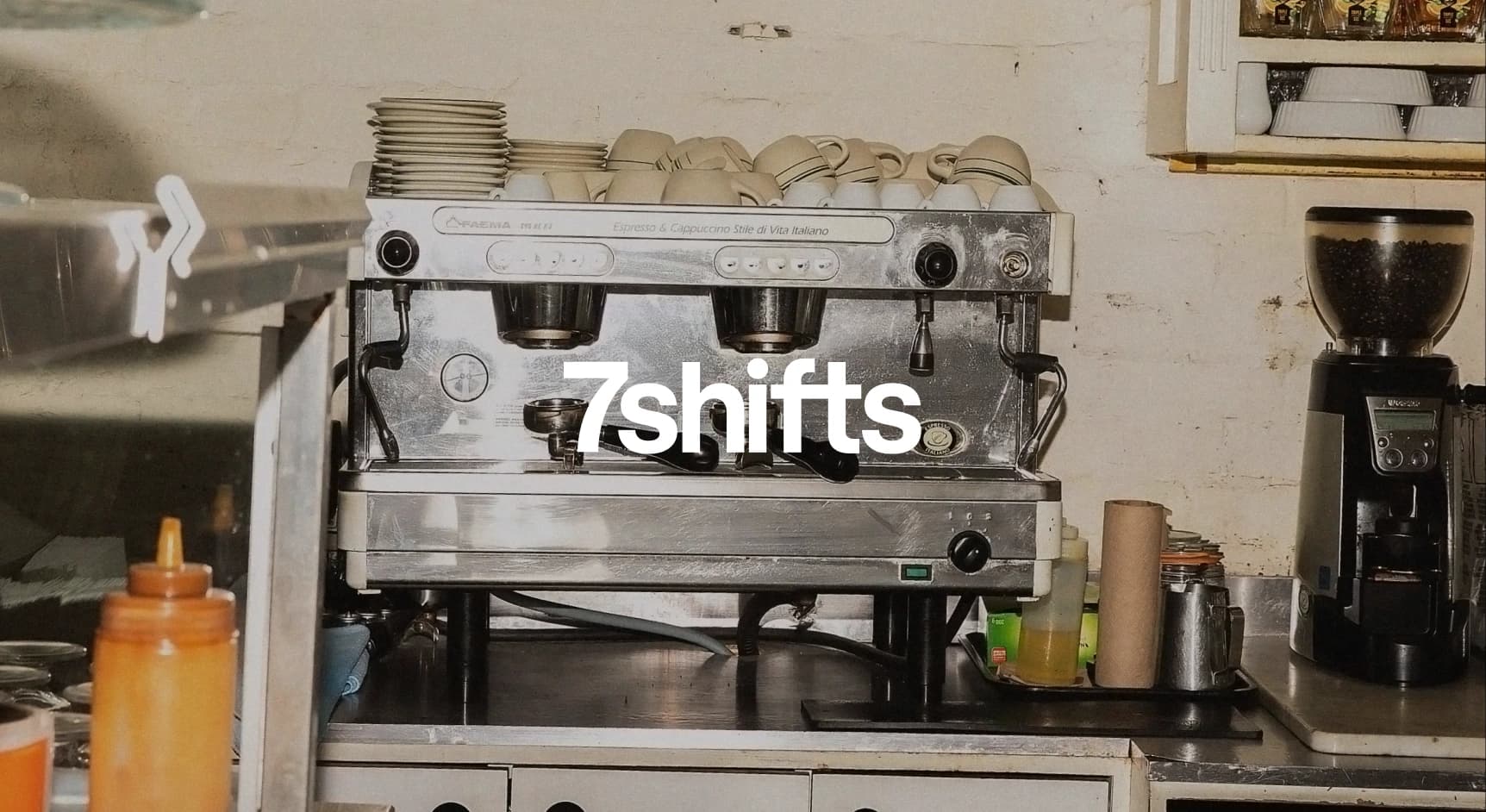
The espresso machine is typically your biggest single purchase and the heart of your operation. Most cafes start with a two-group machine, which allows two baristas to pull shots at the same time. Busier shops often go with three groups.
You’ll choose between semi-automatic and automatic. Semi-automatic machines give experienced baristas more control over extraction. Automatic machines produce more consistent results with less training time, which matters when you’re onboarding new staff.
New Restaurant Toolkit
Everything you need to know before your grand opening.
Coffee grinders
You’ll likely want two grinders: one for espresso and one for drip coffee. Espresso grinders produce a fine, consistent grind that’s critical for proper extraction. Drip grinders work at a coarser setting.
Here’s the thing: the grinder matters as much as the espresso machine. A mediocre grinder paired with a great machine still produces mediocre espresso. Invest in quality burrs and plan to replace them as they wear down over time.
Drip coffee makers and batch brewers
Not everyone wants espresso. Batch brewers keep regular coffee ready for customers who want a quick pour. Airpots and satellite servers hold brewed coffee at temperature without burning it on a hot plate.
For a small cafe, one or two airpots work fine. Busier shops often run multiple brewers to offer different roasts or keep up with the morning rush.
Cold brew systems
Cold brew has gone from trendy to expected. Toddy systems are the traditional approach: steep grounds in cold water for 12 to 24 hours, then filter. Keg systems let you serve cold brew on tap, which looks great and pours fast.
Plan your production schedule around your sales. Running out during a Saturday afternoon rush frustrates everyone.
Blenders for frappes and smoothies
Commercial blenders handle ice and frozen ingredients without burning out. Home blenders won’t survive a week of cafe service.
If frappes and smoothies are a big part of your menu, consider a blender with a sound enclosure. Your baristas and your customers will thank you.
Hot water dispensers
Hot water dispensers serve tea, americanos, and pour-overs. Some espresso machines have built-in hot water taps, but high-volume cafes often add a standalone unit to keep the espresso machine free for pulling shots.
Water filtration systems
This one gets overlooked, but it matters. Hard water builds scale inside your espresso machine, shortening its life and leading to expensive repairs. Filtered water also tastes better in the cup.
Install a filtration system before your espresso machine and change filters on schedule. It’s cheaper than replacing heating elements.
Barista tools and coffee bar essentials
The big equipment gets the attention, but the small tools make the workflow. Your baristas reach for these items dozens of times per shift.
- Tampers: Pack espresso grounds evenly in the portafilter. A good tamper fits your barista’s hand and matches your portafilter size.
- Knock boxes: Collect spent espresso pucks. Position them within arm’s reach of the machine.
- Milk frothing pitchers: Different sizes for different drinks. Twelve-ounce pitchers work for single lattes; 20-ounce pitchers handle larger drinks.
- Scales: Portion scales help maintain consistency. Weighing doses and yields takes the guesswork out of dialing in espresso.
- Thermometers and timers: Check milk temperature and track extraction time. Overheated milk tastes burnt; most shots run 25 to 30 seconds.
- Syrup pumps: Standardize flavor shots. One pump equals one serving, which reduces waste and keeps drinks consistent.
Storage and refrigeration equipment
Milk, cream, and perishable ingredients require proper cold storage. Your refrigeration setup affects both food safety and workflow.
Commercial refrigerators and freezers
Under-counter units keep milk and cream within reach of the espresso station. Reach-in refrigerators store backup stock. Walk-ins work for high-volume operations with significant food programs.
Place refrigeration strategically. Your barista shouldn’t have to walk across the cafe to grab milk during a rush.
Display refrigerators
Glass-front display cases show off grab-and-go items like bottled drinks, yogurt parfaits, or pre-made sandwiches. Customers buy what they can see.
Position display cases near the register to encourage impulse purchases while customers wait for their drinks.
Ice machines
Cold drinks require ice. Cube ice works for most drinks; nugget ice is popular for blended beverages.
Size your ice machine based on your expected volume, then add a buffer. Running out of ice on a hot afternoon is a problem you don’t want.
Dry storage and shelving
Coffee beans, syrups, cups, and paper goods all require storage. Wire shelving keeps items visible and accessible. Store ingredients off the floor and away from walls to meet health code requirements.
Label everything with dates. First in, first out.
Food preparation equipment for cafes
If you’re serving food beyond pre-packaged pastries, you’ll add prep equipment to your list. The specifics depend on your menu.
Display cases for pastries
Ambient cases work for items like muffins and cookies. Refrigerated cases keep cheesecakes and cream-filled pastries safe. Place your pastry case where customers see it while ordering.
Prep tables and work surfaces
Stainless steel surfaces are standard for food prep. They’re durable, easy to clean, and meet health codes. Size your prep area based on your menu complexity. Cramped prep space creates bottlenecks.
Ovens and toasters
Convection ovens warm pastries and bake off par-baked goods. Commercial toasters handle bagels and bread quickly. Rapid-cook ovens combine convection and microwave technology for speed, though they cost more upfront.
Coffee shop supplies and disposables
Beyond equipment, you’ll reorder supplies constantly. Build relationships with reliable vendors and track your usage to avoid running out.
| Supply Category | Items to Stock |
|---|---|
| Hot beverages | Paper cups, lids, sleeves, stirrers |
| Cold beverages | Plastic or compostable cups, straws, dome lids |
| To-go service | Cup carriers, to-go boxes, napkins |
Check local regulations on single-use plastics. Some cities restrict plastic straws and require compostable alternatives.
Cleaning and maintenance supplies for cafe equipment
Clean equipment lasts longer and produces better drinks. Build cleaning into your daily routine.
- Backflush detergent and discs: Clean espresso machine group heads daily. Backflushing removes coffee oils that turn rancid and affect flavor.
- Group head and steam wand brushes: Different brushes for different components. Clean milk residue from steam wands after every use.
- Descaling solution: Remove mineral buildup from boilers and lines. Follow manufacturer schedules.
- Sanitizing supplies: Health codes require a wash-rinse-sanitize process. Three-compartment sinks handle this for smallwares.
Tip: Post a cleaning checklist at each station. Daily tasks, weekly tasks, monthly tasks. When everyone knows what’s expected, things actually get done.
Service and operations equipment
Running a cafe involves more than making drinks. You’ll handle transactions, wash dishes, and create a space where customers want to spend time.
POS systems for cafes
Your point-of-sale system processes payments, tracks sales, and often integrates with inventory. Card terminals are non-negotiable since most customers expect to pay with cards or phones.
Look for a POS that handles modifiers well. Coffee drinks have lots of customization options, and your system should make ordering fast, not frustrating.
Commercial dishwashers
If you’re using ceramic mugs and real dishes, you’ll run the dishwasher constantly. High-temperature dishwashers sanitize with heat; chemical-sanitizing units use lower temperatures with sanitizing agents.
Factor in the space and plumbing requirements before you commit to a dishwasher model.
Furniture and customer seating
Tables, chairs, and counter seating define your customer experience. Durable materials hold up to daily use. Comfortable seating encourages customers to stay and order another drink.
Plan your layout before buying furniture. Traffic flow matters. Customers shouldn’t have to squeeze past each other to reach the counter or restroom.
How much does cafe equipment cost
Equipment costs vary widely based on brand, condition, and features. A new commercial espresso machine might range from a few thousand dollars to well over $20,000 for a high-end model.
| Equipment Category | Key Cost Factors |
|---|---|
| Espresso machines | Number of groups, brand, new vs. used |
| Grinders | Burr quality, dosing technology |
| Refrigeration | Size, energy efficiency, commercial certification |
| POS systems | Hardware costs, monthly subscription fees |
Get quotes from multiple suppliers. Prices vary more than you’d expect.
2026 Hiring & Interview Playbook
50+ proven interview questions, answer guidance, and clear red & green flags—so you can hire with confidence, not crossed fingers.
Buying new versus used cafe equipment
New equipment comes with warranties and the latest features. Used equipment costs less upfront but carries more risk.
For espresso machines and grinders, buying new or certified refurbished often makes sense. The equipment runs hard, and worn components affect drink quality directly.
Shelving, prep tables, and some refrigeration can often be purchased used without much risk. Inspect carefully for wear, and verify that commercial units meet health code requirements.
Leasing is another option. It preserves cash flow and sometimes includes maintenance. Run the numbers to see what makes sense for your situation.
Building your cafe team after you have the equipment
Equipment only works if you have trained people to run it. A $15,000 espresso machine produces terrible drinks in untrained hands.
Once your equipment is in place, you’ll spend significant time on scheduling, training, and team communication. New cafe owners often underestimate how much time goes into coordinating staff, especially when you’re juggling availability requests, shift swaps, and last-minute callouts.
Tools like 7shifts help cafe owners build schedules, track time, and communicate with staff in one place. That means less time managing text threads and more time on the floor with your team and customers.
Your next steps after completing your cafe equipment list
Start by prioritizing equipment based on your menu. An espresso-focused cafe has different needs than a full-service breakfast spot.
Get quotes from multiple suppliers before committing. Plan your layout before purchasing since equipment placement affects workflow, and moving a 300-pound espresso machine after installation is no fun.
And don’t forget about staffing. The equipment gets you open. Your team keeps you running.
Ready to schedule your cafe team? Start a free trial of 7shifts to make team management easier from day one.
Also watch: 3 mistakes when opening a coffee shop
FAQs about cafe equipment
What permits do I need before installing commercial cafe equipment?
Most locations require health department permits, a business license, and possibly fire safety inspections. Requirements vary by city and state, so check with your local health department before purchasing equipment.
How long does commercial coffee equipment typically last?
Commercial espresso machines and grinders can last 10 years or more with proper maintenance. Daily cleaning, regular servicing, and timely part replacements extend equipment life significantly.
Can I lease cafe equipment instead of buying it outright?
Yes. Many equipment suppliers and third-party financing companies offer leasing options. Leasing preserves cash flow and sometimes includes maintenance, though you’ll typically pay more over time than buying outright.
What equipment does a small cafe need compared to a large coffee shop?
A small cafe can often operate with a single-group or two-group espresso machine, one grinder, and basic refrigeration. Larger shops typically run multi-group machines, multiple grinders, and more storage capacity to handle higher volume.
What is the single most important piece of cafe equipment to invest in?
Most coffee professionals recommend prioritizing your espresso machine and grinder. Both directly affect drink quality and are difficult to upgrade later without significant cost and disruption.

Rebecca Hebert, Sales Development Representative
Rebecca Hebert
Sales Development Representative
Rebecca Hebert is a former restaurant industry professional with nearly 20 years of hands-on experience leading teams in fast-paced hospitality environments. Rebecca brings that firsthand knowledge to the tech side of the industry, helping restaurants streamline their operations with purpose-built workforce management solutions. As an active contributor to expansion efforts, she’s passionate about empowering restaurateurs with tools that genuinely support their day-to-day operations.