Free 2026 Report
What Restaurant



 Employees Want
Frontline insights from 1,000+ restaurant workers (plus, how to actually put them into practice).

Foreword
“At Union Square Hospitality Group, we talk about Enlightened Hospitality: the idea that taking care of each other first is what makes everything else possible. It starts with our colleagues, and it ripples outward: to guests, to the community, to everyone the restaurant touches. I've seen this play out over decades of building restaurants, and I believe it as firmly today as I ever have. When your team feels genuinely cared for, that feeling doesn't stay in the kitchen or behind the bar. Guests feel it too.
After decades in this industry, I'm more convinced than ever that the operators who invest in understanding what their people actually need are the ones who build teams that last. The restaurant workforce spans generations, backgrounds, and reasons for being there in the first place. What draws someone to the industry, what makes them stay, and what makes them leave are answers that vary more than most operators expect. Understanding the patterns is where good culture-building starts.
This report from 7shifts offers a grounded look at what restaurant employees are telling us they want right now. It's not built from assumptions but actual data from the people doing the work. I hope you'll read it as an invitation to listen more closely to your own team, and to act on what you hear.”
Danny Meyer
Founder & Executive Chairman of Union Square Hospitality Group

Restaurants run on people, andright now, keeping those people isone of the hardest parts of the job.
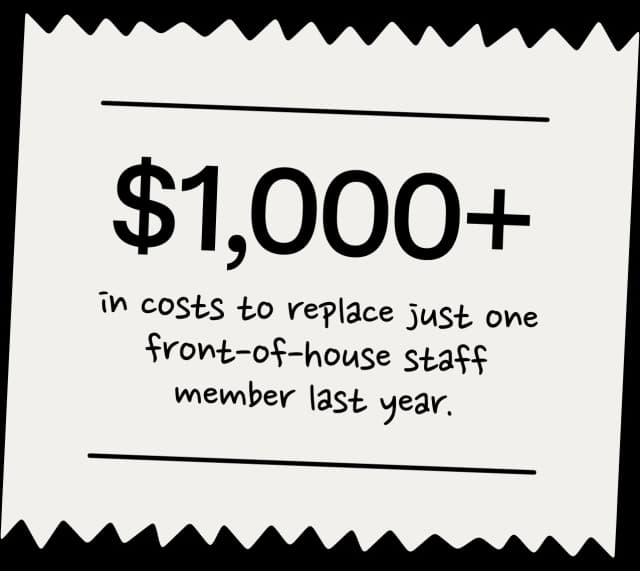
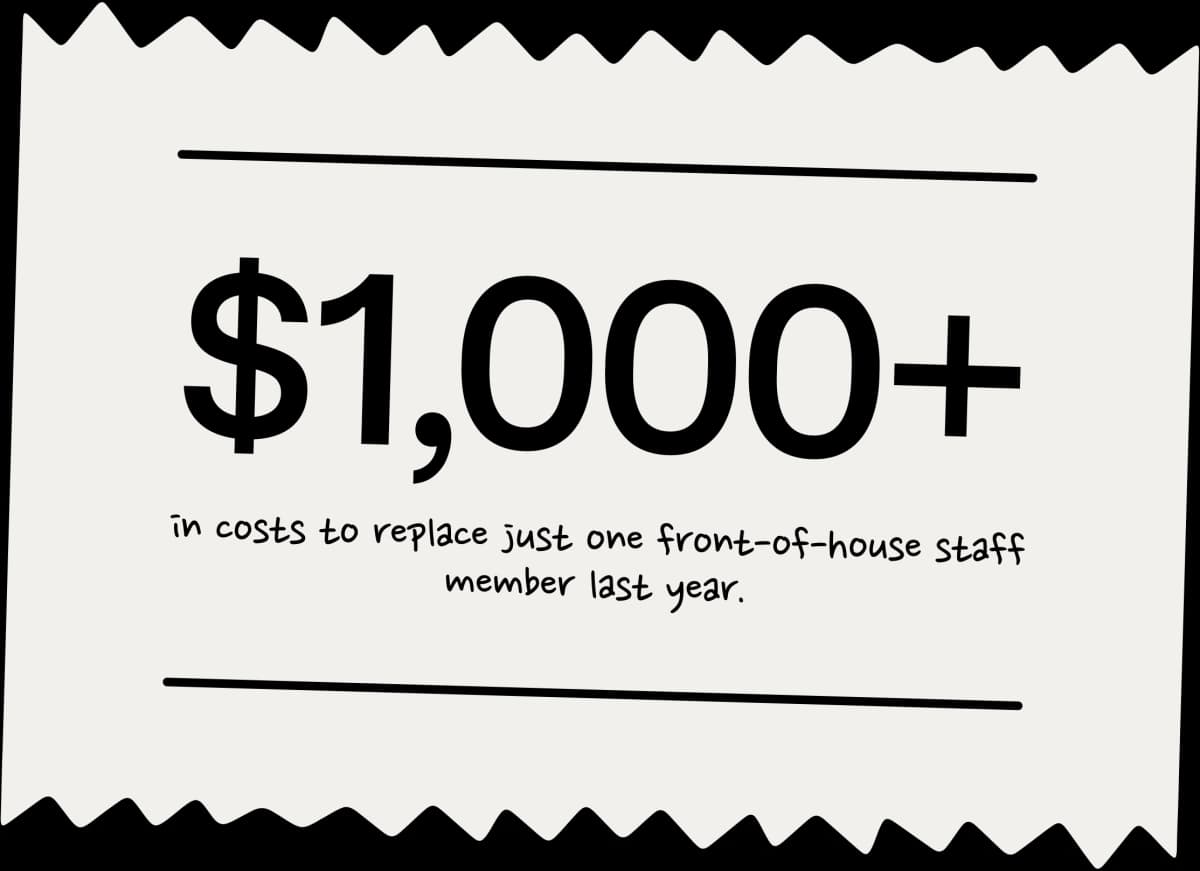
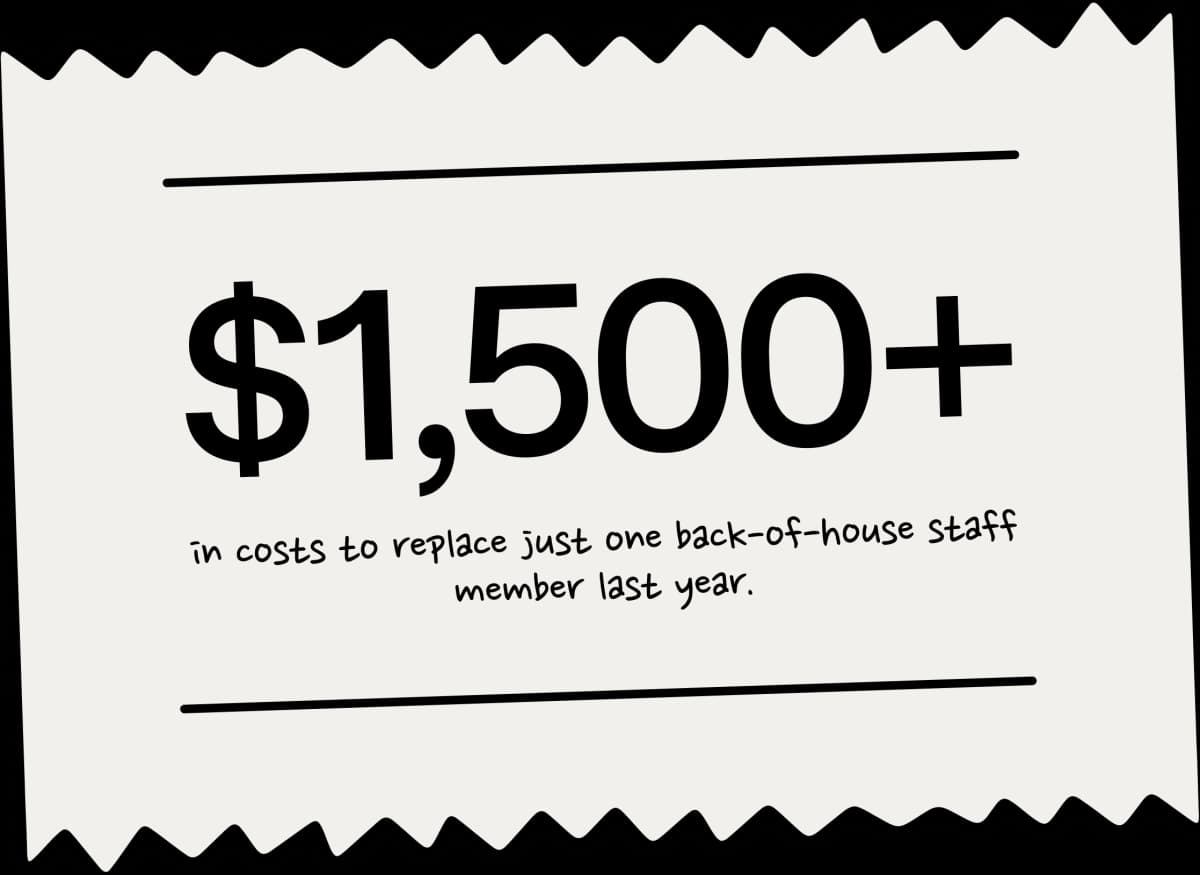
Employee turnover isn't just disruptive.
It's extremely expensive.
We know because we've calculated it. Last year, we found that replacing a single front-of-house employee costs over $1,000. And for a back-of-house employee, that number jumps to nearly $1,500. Multiply that across a few (or more than a few) employees, and that becomes one of the biggest drains on restaurant profitability… one that rarely shows up as a line item but always shows up in the margins.
Here's the thing: what employees want and what operators need aren't actually in conflict. Predictable schedules. Clear communication. Strong managers. These aren't just conditions that make workers happier. They're the same conditions that reduce turnover, improve consistency, and ultimately, make restaurants more profitable.
That's why (for the second time since 2024) we went directly to the source: surveying over 1,000 frontline restaurant workers across the United States—including servers, hosts, bartenders, cooks, managers, and more—to understand their motivators, their dealbreakers, and what would make them stay. Think of it as a pulse check. The industry is constantly changing, and so are the people in it.
Top takeaways on what restaurant employees want in 2026

01
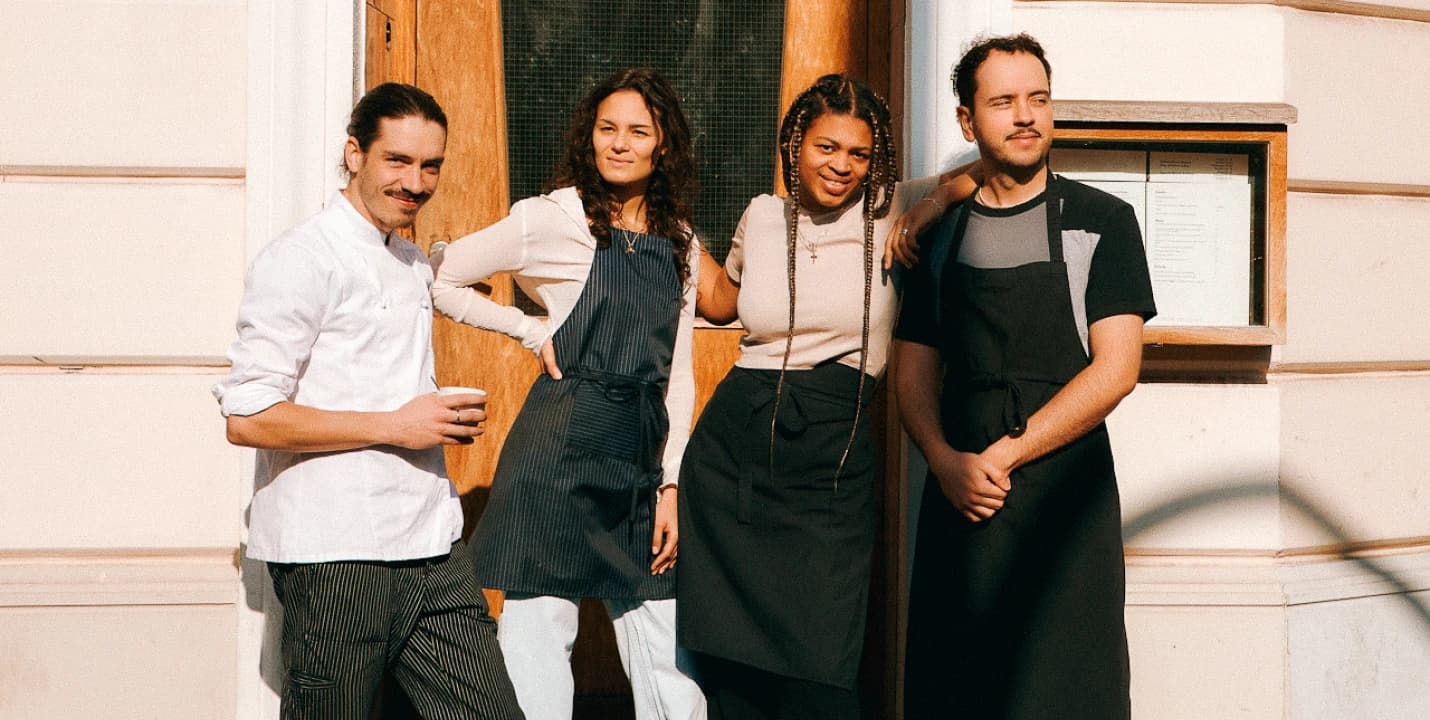
Understaffing is stressful
Being short-staffed ranked first for employee stressors, above difficult customers, peak-hour rushes, and poor management communication. It's also a factor that operators have direct power to fix.
02
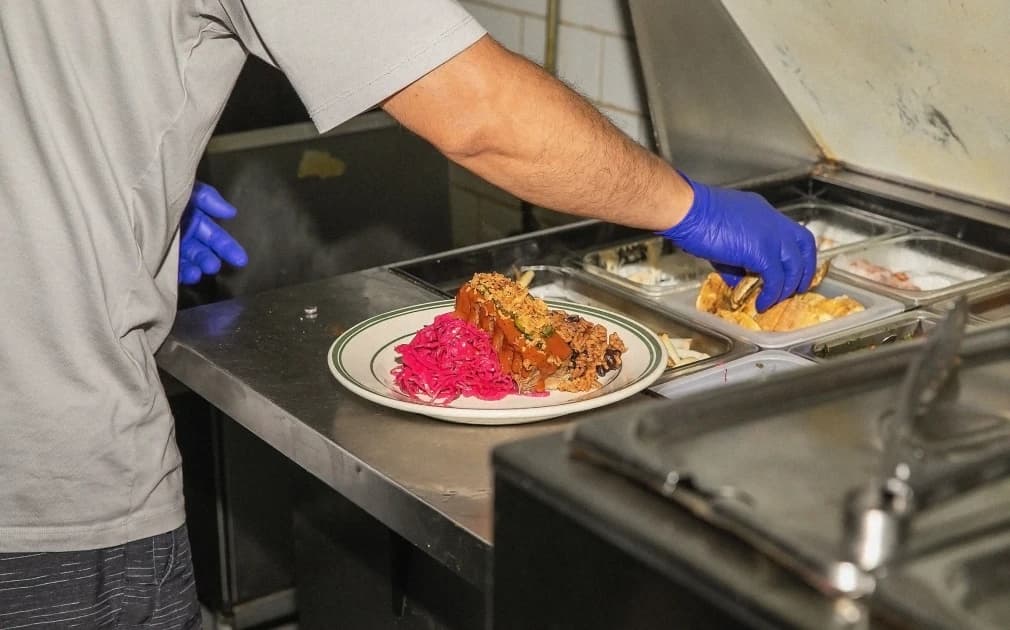
Great coworkers beat compensation
Team relationships are the top daily motivator, ahead of financial incentives like tips and bonuses. The correlation between strong relationships and workplace happiness is clear: 84% of employees who describe themselves as happy also say they feel connected to their coworkers.
03
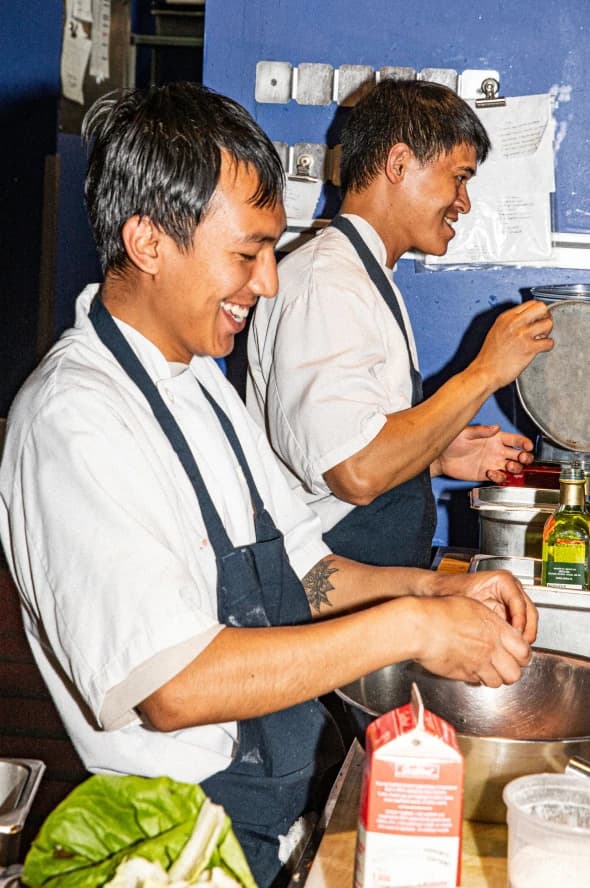
The benefits gap is real
Restaurants default to free meals, but only 24% of employees rank the perk as a top wish list item. Paid time off and paid sick days are what employees are actually asking for—yet fewer than 40% of restaurants offer either.
04
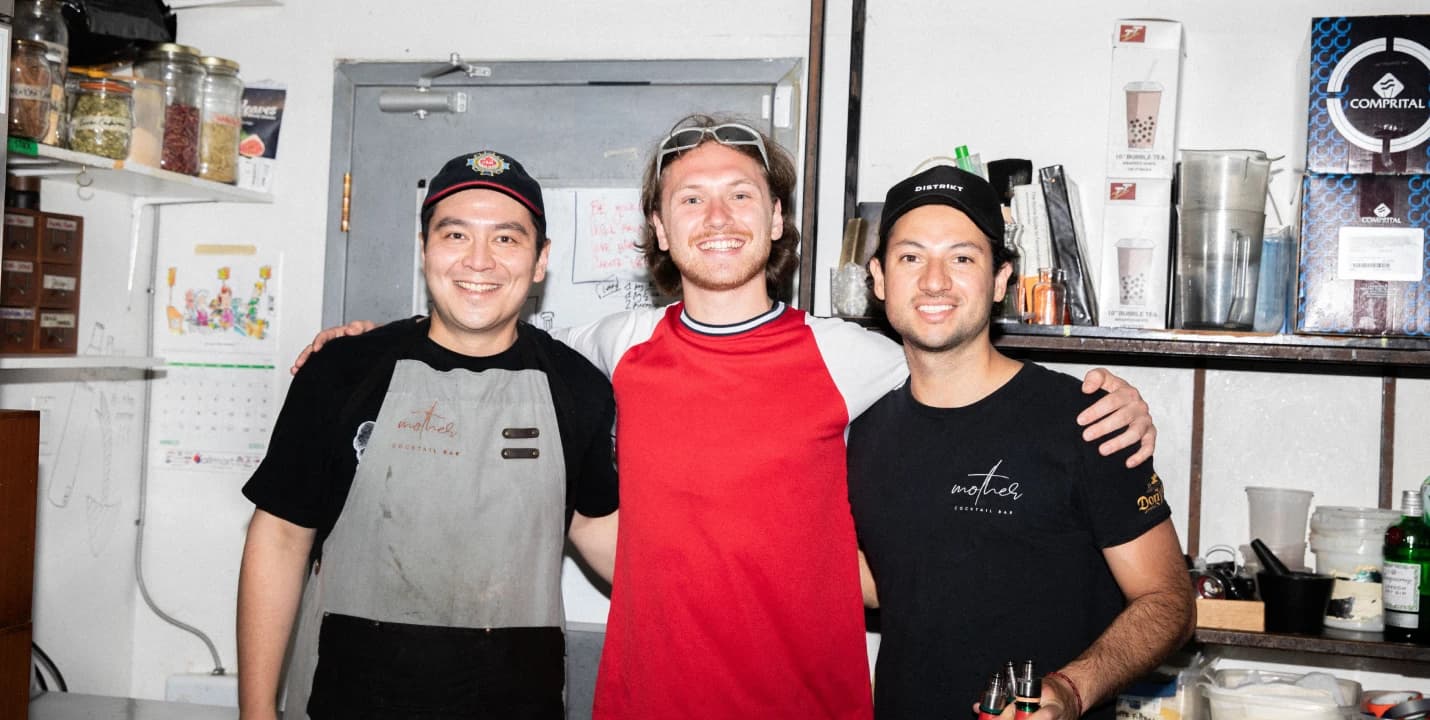
Managers make or break retention
65% of employees have left at least one restaurant job. Difficult managers are tied with low pay as the top reason employees quit, highlighting the importance of leadership investment.
05
Recognition is underused
71% of employees say recognition influences their job satisfaction, yet 1 in 5 rarely receive it from management. For operators, it's one of the highest-impact, lowest-cost levers.



Most employees are happy…
but over
1 in 4 aren't
Restaurant employee happiness scale
72% Happy
19% Neutral
9% Unhappy
72% of restaurant employees describe themselves as happy at work… but that leaves more than 1 in 4 who aren't. Roughly a quarter of your team may be closer to leaving than you think.
Understaffing is the top stressor
(and the problems compound)
Top job stressors for
restaurant employees
*Respondents ranked
their top 3
Being understaffed
1st
Difficult customers
2nd
Rushing during busy periods
3rd
Poor communication from mgt.
4th
Last-min. schedule changes
5th
Not having enough supplies
6th
Equipment or system failures
7th
Team conflicts
8th
Physical job demands
9th
Unpredictable earnings / tips
10th
Lack of training
11th
Last-min. policy changes
12th
Employees ranked their top stress factors, and being understaffed came out on top—above difficult customers, peak-hour rushes, and even poor management communication. While operators can't control every source of stress their team faces, the number one stressor is one they can actually do something about.
"The restaurant industry is the biggest feeder into the working population, offering the 'universal language' of transferable skills and a community where passionate people forge extraordinary, inspiring connections."
Alice Cheng
Founder & CEO of Culinary Agents

Job availability and flexibility
are what draw workers in
Top reasons workers enter the restaurant industry
*Respondents
selected up to 3
Job availability
60%
Flexible hours
56%
Passion for food and hospitality
44%
Tip potential
29%
Career growth opportunities
27%
Other
3%
Why do people take restaurant jobs? 60% say it comes down to job availability, reflecting how restaurants are often seen as an accessible entry point into the workforce. But availability alone doesn't explain why people stay. Flexibility ranks second in what draws people in, highlighting the expectations for work-life balance within the industry.
Compared to
2024...
In 2024, flexibility was the top choice (58%), followed closely by job availability (55%). While the priorities have since flipped places, the gaps remain narrow—both have been core reasons workers enter the industry for years running.
People surpass paychecks
as the top daily motivator
Drivers of daily work satisfaction
2026
2024
*Respondents selected up to 3
My coworkers
and team
56%
57%
Recognition and praise
38%
26%
Positive customer
feedback
48%
42%
Advancement
opportunities
36%
32%
Financial incentives
(tips, bonus)
47%
55%
Other
2%
3%
Drivers of daily work satisfaction
2026
2024
*Respondents selected up to 3
My coworkers and team
56%
57%
Recognition and praise
38%
26%
Positive customer feedback
48%
42%
Advancement opportunities
36%
32%
Financial incentives (tips, bonus)
47%
55%
Other
2%
3%
You might be surprised to learn that employees are more motivated by human connection than money. Coworkers rank first as a daily motivator, with positive customer feedback following close behind—both surprisingly, ahead of financial incentives. In other words, the moments that make work rewarding tend to come from people, not just paychecks.
Strong relationships between coworkers have a high impact on employee well-being (plus retention). 84% of employees who are happy at work also say they feel connected to their coworkers.
“As coworkers, we arguably spend more time with each other than our family. This journey that is work is much more meaningful if you and your coworkers operate as a unit, and to crystallize that mentality requires practice, commitment, and opportunity.”
Newton Hoang
VP, Head of Marketing of Kura Sushi USA

Compared to
2024...
While financial incentives tied with team camaraderie in 2024, it dropped to third place this year. Recognition and praise saw a large bump this year, suggesting that increasing pay isn’t the only way to keep employees happy. In a high-pressure industry where workers are doing more with less, feeling acknowledged matters.
The benefits gap is real:
Employees want paid time off
Benefit gaps for restaurant employees
Currently offered perks
Most wanted perks
(Respondents selected up to 3)
Discounts or free meals
72%
24%
Health insurance
33%
34%
Retirement savings or 401k
23%
27%
Flexible scheduling
59%
26%
Daily pay or instant pay
30%
32%
Professional development
15%
17%
Paid time off (vacation days)
37%
43%
Paid sick days
29%
42%
Commuter benefits
7%
15%
Benefit gaps for restaurant employees
Currently offered perks
Most wanted perks
(Respondents selected up to 3)
Discounts or free meals
72%
24%
Health insurance
33%
34%
Retirement savings or 401k
23%
27%
Flexible scheduling
59%
26%
Daily pay or instant pay
30%
32%
Professional
development
15%
17%
Paid time off (vacation days)
37%
43%
Paid sick days
29%
42%
Commuter benefits
7%
15%
There’s a clear disconnect between what restaurants offer and what employees actually want. Employee discounts and free meals are the most commonly offered perk (72%), and while it’s always a nice-to-have, only 24% of employees rank them among their top three benefits. Meanwhile, paid time off and paid sick days top employees’ wish lists—even though they’re offered by fewer than 40% of employers.
Compared to
2024...
The benefits workers want most have shifted toward more immediate financial relief. Demand for daily pay jumped from 24% to 32% since 2024, while interest in retirement savings dropped 6%.
The bottom line? Workers still want the traditional benefits, but the appetite for instant cash is growing. When times are tight, the calculus changes—it’s harder to think about the future when you’re focused on making it through the month.
Actionable insights
01
Fix the staffing problem first
Understaffing is the number one stressor (and it’s a factor operators have the power to fix). So before investing in other initiatives, make sure you properly staff shifts. Get ahead of it with scheduling software that forecasts demand based on actual sales data.
02
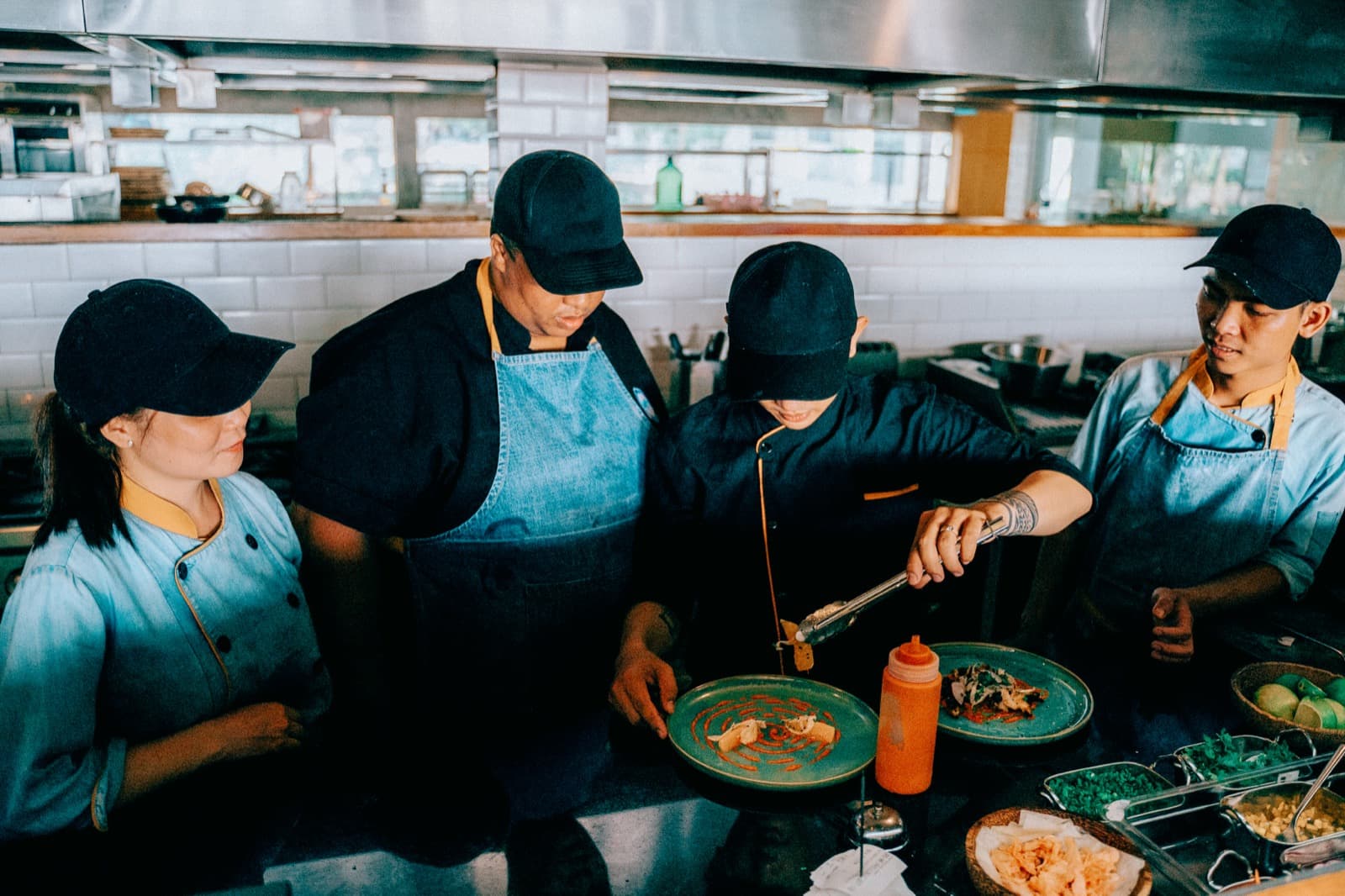
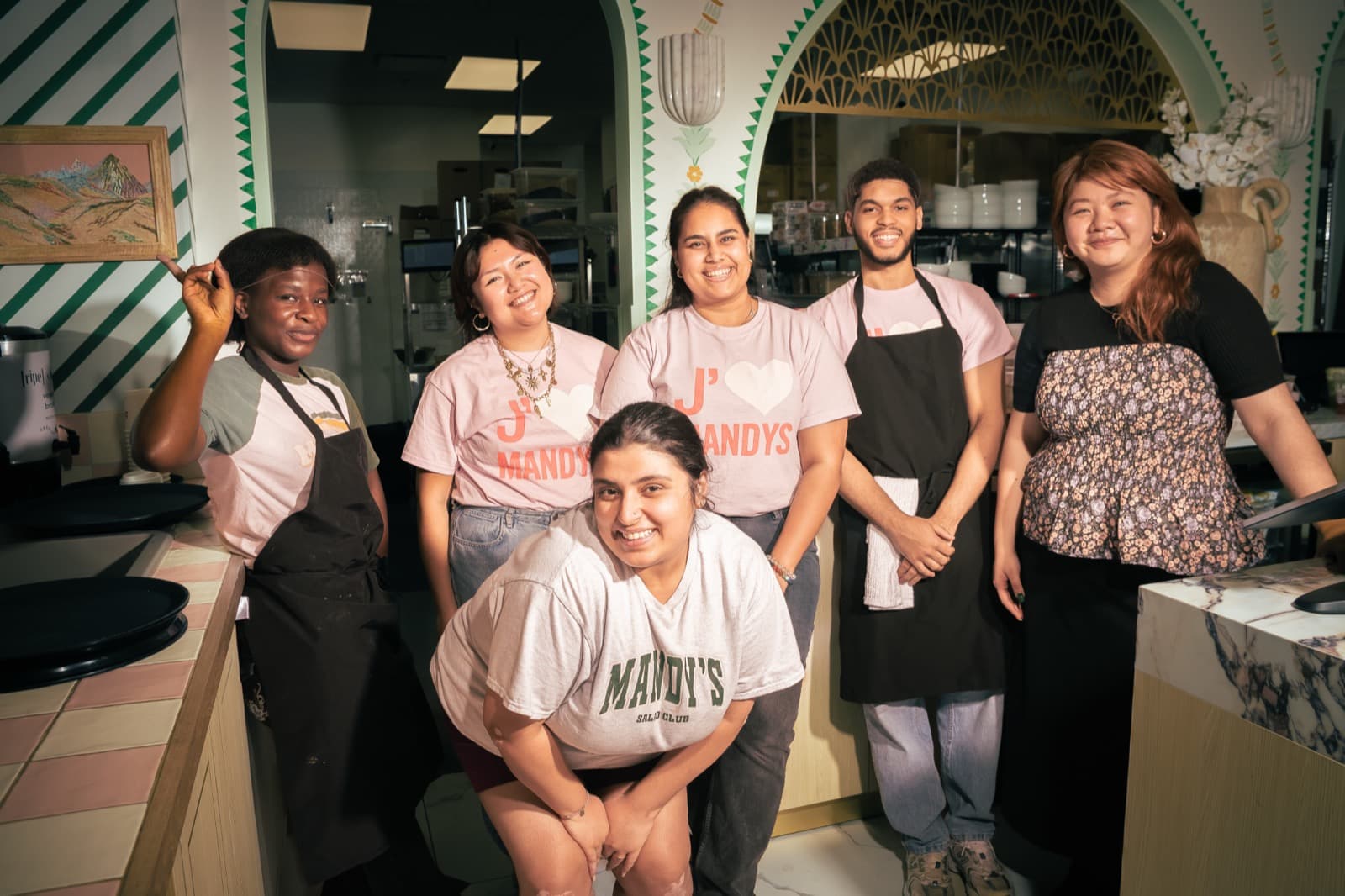
Build a culture where coworkers actually connect
Coworker relationships are the top daily motivator, and they don't cost much to cultivate. Try pre-shift huddles, team shoutouts, or shared staff meals: small rituals that give people a reason to show up beyond the paycheck.
03
Close the benefits gap on what actually matters
Free staff meals are nice, but is that what your staff actually wants? Only 29% of restaurants offer paid sick days, yet 42% of employees have it at the top of their wish list. Survey your team on the perks they want to make sure you stand out in a competitive hiring market.
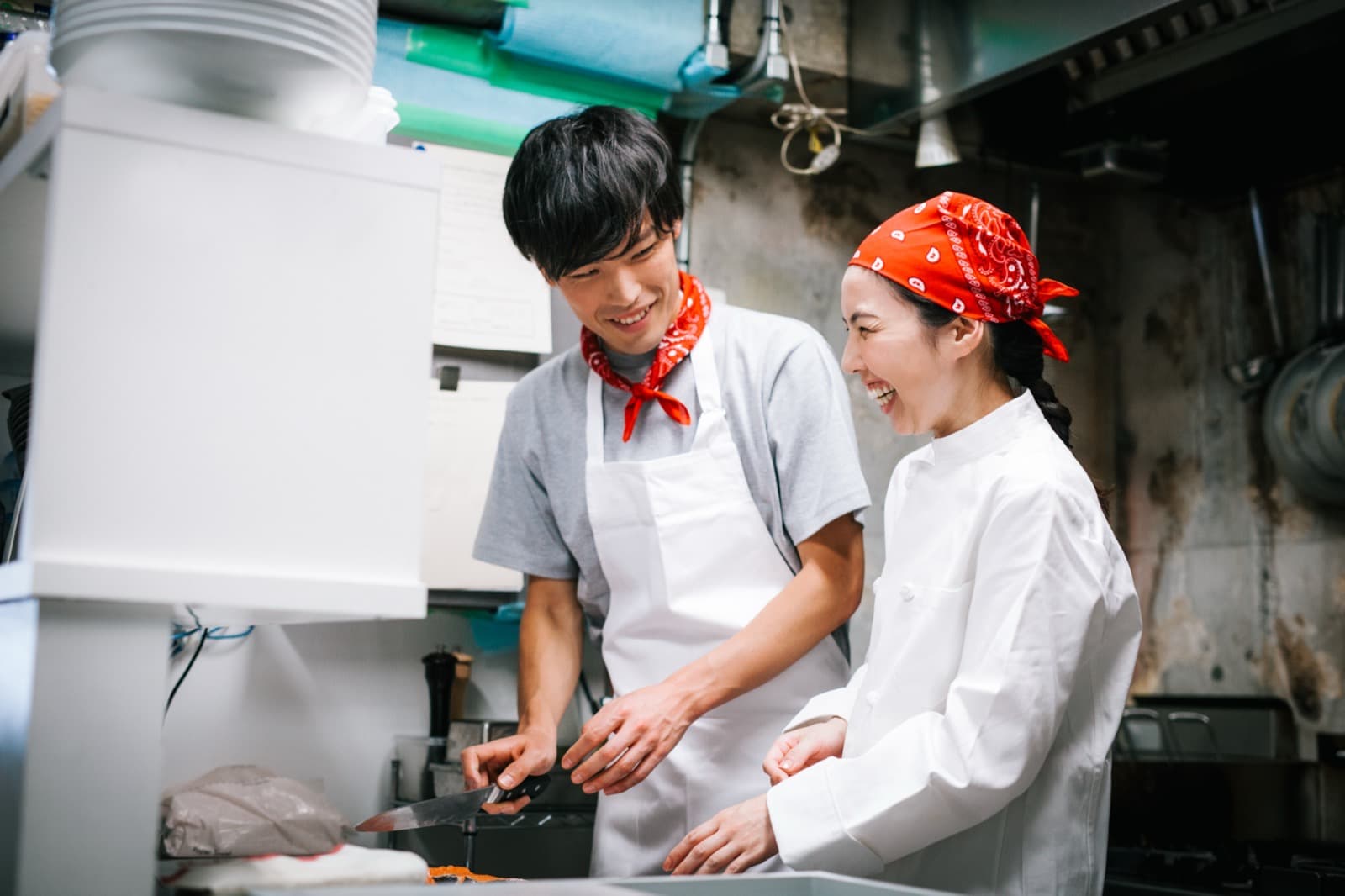
65% of restaurant
employees have quit a job
Restaurant industry turnover trends
The restaurant industry is infamous for its high turnover. In fact, 65% of employees say they’ve left a restaurant job at some point in their career, with 22% doing so more than once. Another 7% say they haven’t left yet—but plan to.
The why behind the walkout: Difficult managers
Top drivers of restaurant turnover
*Respondents
selected up to 3
44%
Low pay
44%
Difficult managers
29%
Life circumstances
23%
Not enough shifts
23%
Lack of growth opportunities
20%
Instability of scheduling
17%
Career change
16%
Lack of recognition or feedback
16%
Don't get along with coworkers
15%
Difficult commute
12%
Physical demands
Top restaurant
turnover drivers
*Respondents
selected up to 3
44%
Low pay
44%
Difficult managers
29%
Life circumstances
23%
Not enough shifts
23%
Lack of growth opportunities
20%
Instability of scheduling
17%
Career change
16%
Lack of recognition or feedback
16%
Don't get along with coworkers
15%
Difficult commute
12%
Physical demands
It’s no surprise that low pay ranks among the top reasons employees leave—but it’s tied with difficult managers. That’s why it’s crucial to hire the right leaders and focus on their continuous development. After all, if coworkers are the biggest driver of daily satisfaction, the managers who shape that team dynamic matter even more.
73% of employees say their relationship with their manager impacts their overall job satisfaction, with 41% saying it has a great deal of influence. Only 9% say it has little (or no) impact at all.
“We’ve definitely seen how people management is a hard-won skill, not just an innate talent. Becoming a great manager takes intention, investment, and also means making mistakes in order to learn.”
Irene Li
CEO of Prepshift

How to be a good manager:
Advice from Justin Khanna,
Chef & Content Creator



01
Work for your team
“This doesn’t mean do the work for them, but identify bottlenecks they’re experiencing, frequently-experienced issues you can eliminate, and spend your time building workflows and systems to make the entire team perform better.”
02
It’s your fault
“I know, that sheet tray of onion chips that just burned in the oven wasn’t put there by you, but it’s an interesting reframe to put in perspective what you can do to influence the outcomes from your team. Instead of placing blame, you ask yourself how you factor into the results that you’re seeing. Sitting with this might make you reconsider your approach to training, organization, communication.”
03
Cruelty is off the table
“In the context of communication: Cruelty = actively desiring to do harm to someone. Kindness = actively desiring to positively impact someone. It’s a spectrum—you might have an interaction that’s not technically ‘kind’ and it might land in a neutral space between the two, but making a conscious decision to never be cruel was a foundational principle that helped me avoid situations I regretted as a manager.”
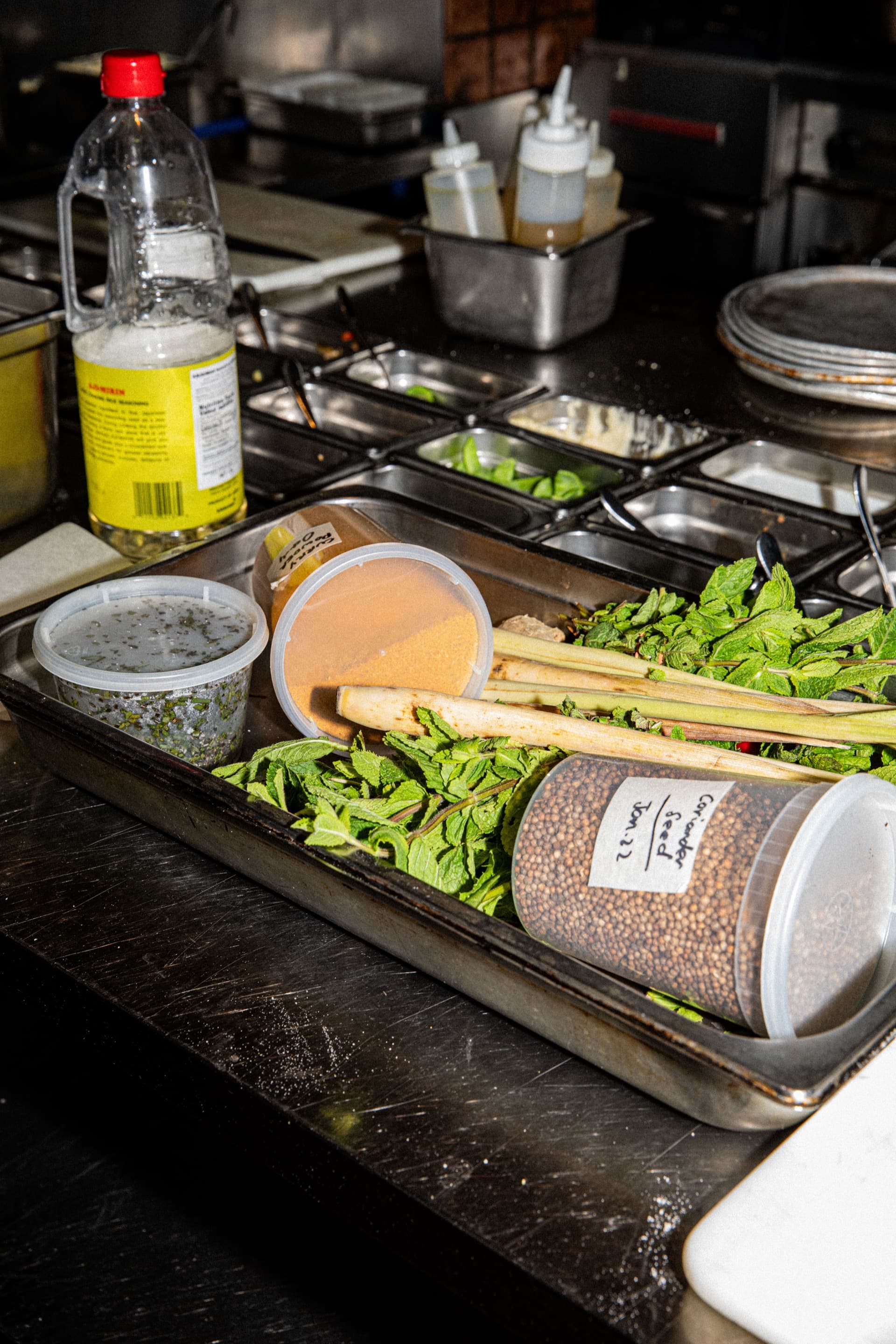
“If you find yourself working with a manager you don’t enjoy right now, you have the ability to selectively choose what you want to keep and what you want to avoid. This awareness is really helpful to develop. By paying attention to both what you like (and what you don’t), you’ll enjoy a better foundation to make decisions if/when you become a manager someday.”
Justin Khanna
Chef & Restaurant Content Creator

The good news: Over 1 in 4 employees are lifers
Expected tenure in the restaurant industry
Despite high hospitality turnover, 28% of workers describe themselves as lifers—meaning, they plan to stay in the industry long-term. Add in the 11% planning to stay 6 to 10 years, and nearly 40% of the workforce has deep roots in the industry.
“This industry is more than just a job. For ‘industry lifers,’ a strong, positive culture can transform a role into a long-term calling.”
Alice Cheng
Founder & CEO of Culinary Agents

Get the
restaurant employee retention playbook
Learn proven strategies to keep your team happy and tackle turnover.
Employees value
hands-on training
Restaurant employee training preferences
*Respondents
selected up to 3
Hands-on from managers
Shadowing senior employees
Employee courses
Watching training videos
Reading training materials
No training -
throw me in!
63%
49%
39%
36%
25%
12%
When it comes to learning a new role, restaurant workers want to be shown first. Hands-on learning from managers is the clear favorite, followed by shadowing senior employees. Structured courses aren't far behind either—39% of employees prefer them, pointing to a real appetite for organized, guided learning.
But the best training programs don't choose one over others. Manager shadowing is only as consistent as the manager, and structured documentation creates the standardized foundation that keeps everyone on the same page, regardless of who's training that day.
“We're hyper-focused on developing Employees into Shift Leads... Clear, empathetic communication is the most needed—and most underdeveloped—skill in this transition. Learn the tools online. Practice them in real life. Great leaders and communicators make great trainers.”
Jason Berkowitz
Founder of Arrow Up Training

Keep training programs
short and sweet
Ideal training duration for restaurant workers
51% → 1 to 2 weeks
31% → Less than a week
13% → 2 to 4 weeks
3% → 4 to 6 weeks
2% → More than 6 weeks
As for duration, employees prefer to keep initial training short—ideally under the two-week threshold. Over half say the sweet spot is one to two weeks, while 31% would rather keep it under a week. Workers are eager to get into the role quickly, highlighting the value of well-structured, efficient training programs.
Quick training tips
from Jason Berkowitz,
Founder of Arrow Up Training
Day-one onboarding
Spending time with the trainee on day one, setting goals and laying out the schedule greatly increases buy-in and lowers turnover by an average of 30%.
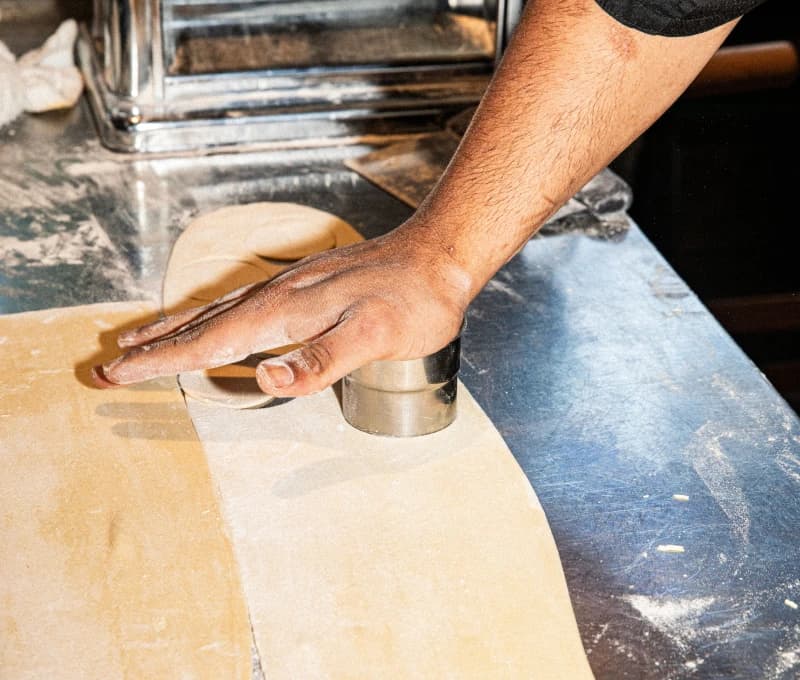
First impressions
Owners think in 30-day trials for employees, but team members start judging whether they stay or go based on their greeting on day one.
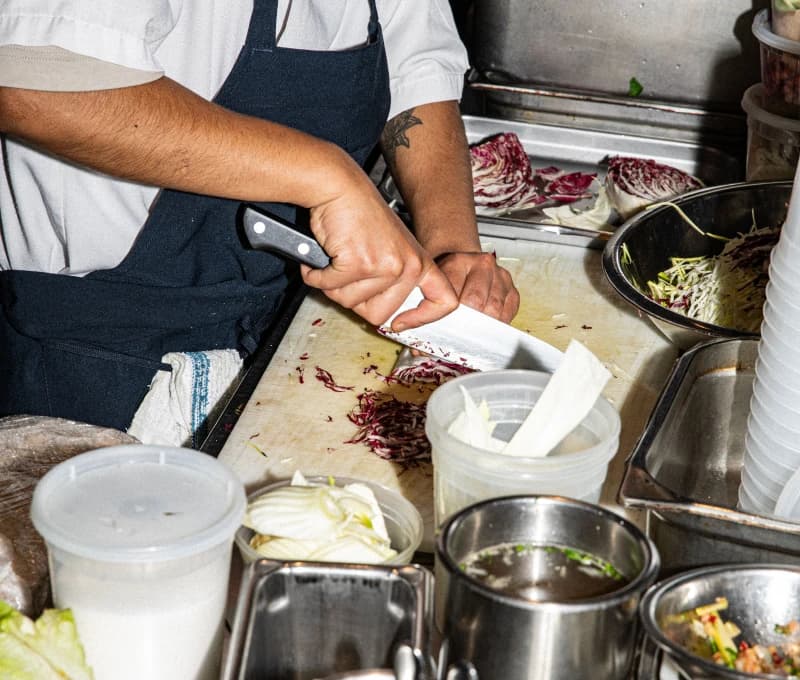
Leader training
Train the trainer programs are vital for maximizing learning from leaders who know how to communicate.
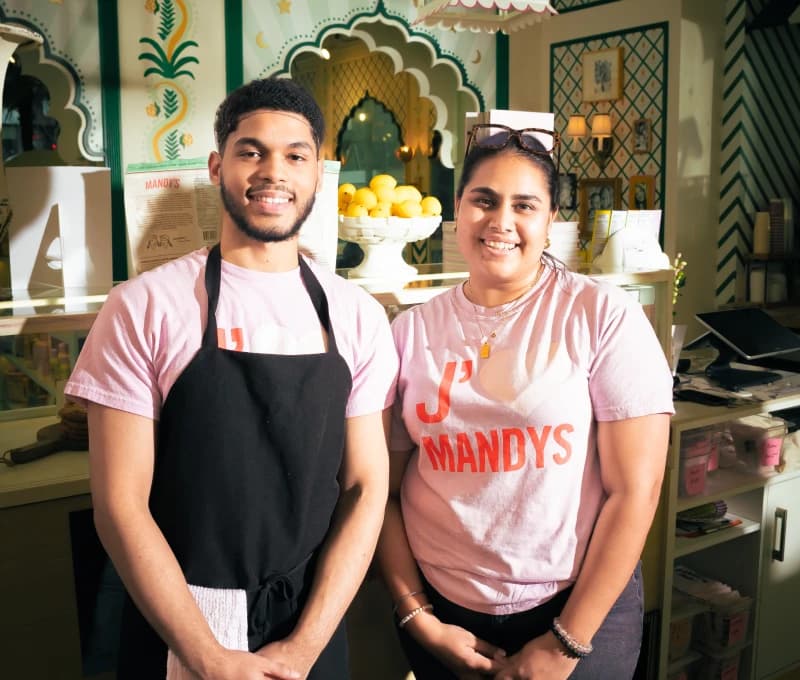
Interactive media
We find that videos and interactive elements still land if they're clever and quick.
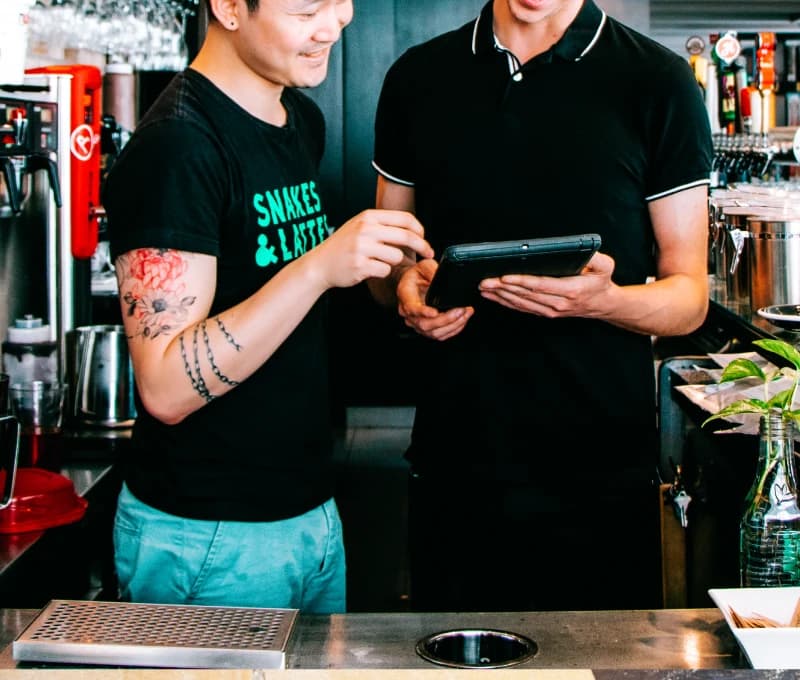
Use visuals
A meme or GIF can do a lot of the heavy lifting for communicating a message.
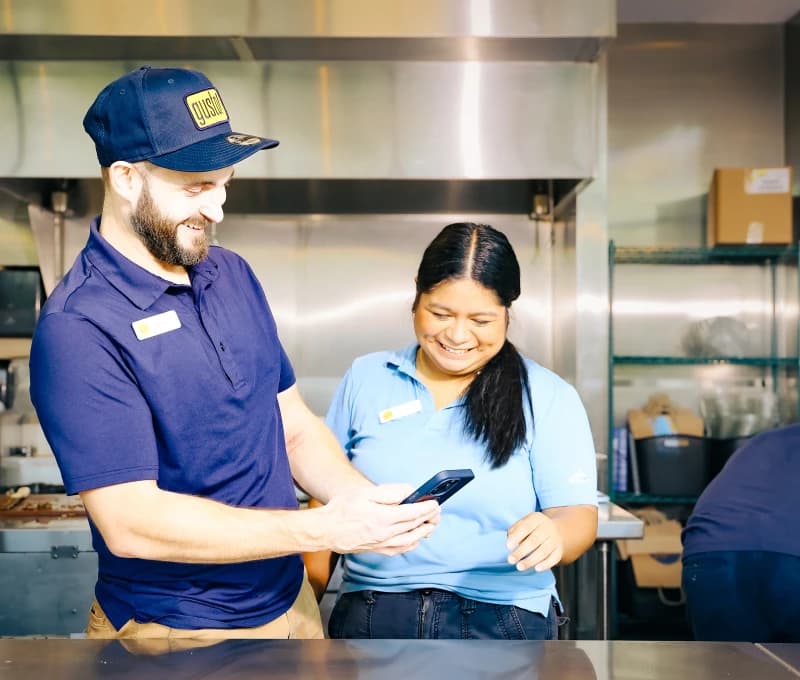
Empathetic leadership
Leadership training that encourages leaders to show empathy and share stories of their own learning experiences is really important for trainees to feel comfortable.
Standardized procedures
Documenting operating procedures is key to ensuring consistent in-person training, regardless of who is working. Inconsistent processes are one of the greatest sources of frustration for trainees.
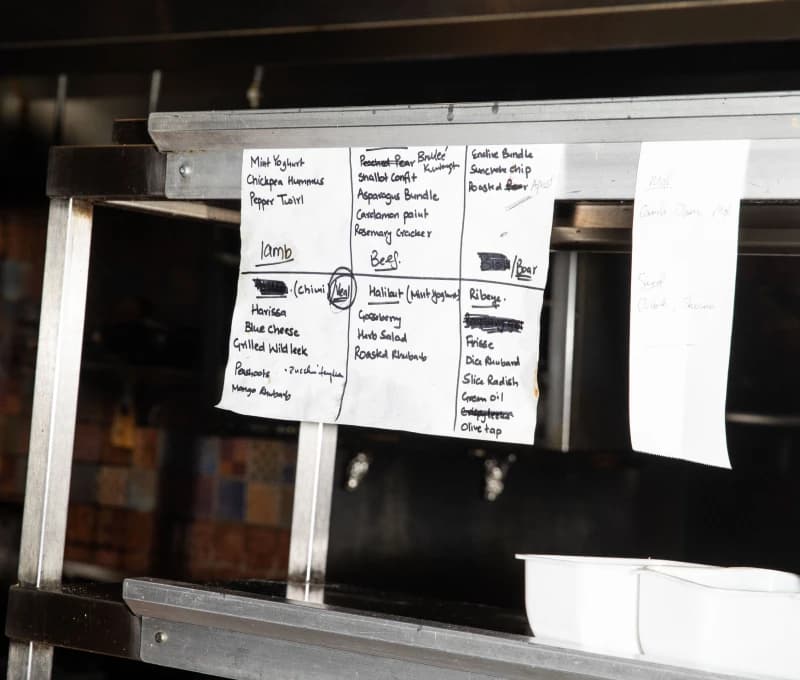
Micro-reminders
Train, remind, repeat—team members usually need micro reminders and messaging to stay on track. Build that into ongoing refresher programs so Leaders aren't constantly micro-managing.
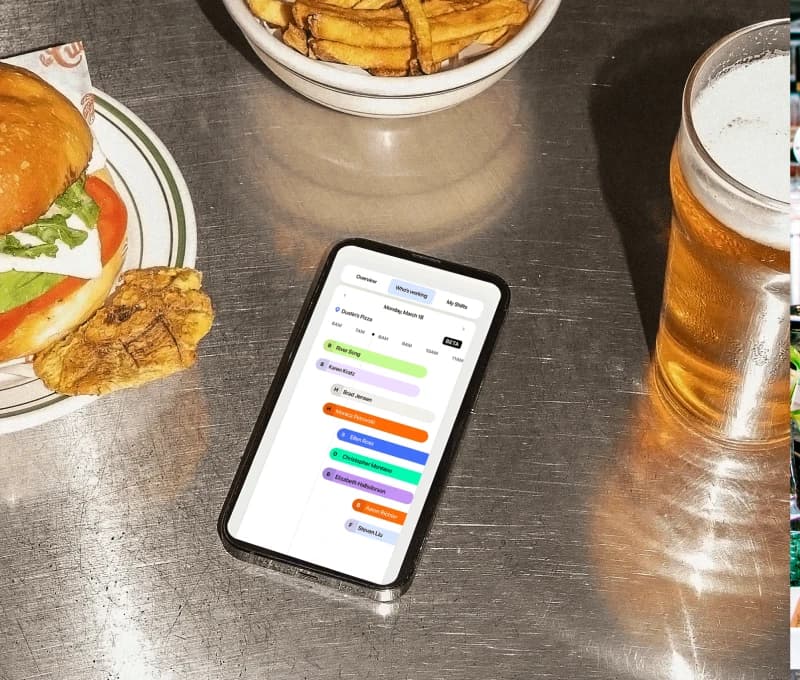
Using tech
Great tools, like Meta Glasses, exist to capture amazing first-person POV training.
Workers prefer in-person
or mobile-first comms
Most effective team
communication methods
*Respondents
selected up to 3
In-person conversations
70%
Text message or group chat
61%
Dedicated work messaging app
38%
Workplace posted notices
36%
26%
Restaurant employees aren't sitting at desks waiting for emails. They're on the floor, in motion, and when something needs to get communicated, it needs to meet them where they are. That's why in-person conversations remain the gold standard with a 70% vote—and why group chats and dedicated work apps beat email by a wide margin. The channels that travel with workers win.
Poor manager communication causes frustration
Top restaurant
communication frustrations
*Respondents
selected up to 3
Last-minute updates from management
55%
Slow responses from managers or coworkers
48%
Schedule changes not clearly communicated
41%
Feeling out of the loop
36%
Not knowing where to find important info
30%
Messages spread across too many platforms
21%
Too many messages or notifications
18%
The top communication pain point isn't about volume—it's about timing. Last-minute updates from management top the list (55%), followed by slow responses from teammates (48%). Workers just aren't asking for more information. They're asking for it sooner.
And 30% say they don't know where to find important information, while 21% point to messages spread across too many platforms—a smaller complaint, but a fixable one. When communication lives across text, WhatsApp, email, and sticky notes, things can easily fall through the cracks.
Recognition drives satisfaction—but 1 in 5 employees rarely get it
The employee recognition gap
71%
Say recognition and feedback have an impact on their job satisfaction
21%
Rarely receive positive recognition or feedback from management
Nearly 40% of employees rank recognition and praise among their top three drivers of daily satisfaction. And 71% say recognition and feedback influence their overall job satisfaction.
While 67% of employees receive feedback and recognition daily or weekly, more than 1 in 5 still rarely receive positive feedback from management. That highlights a missed opportunity to improve team morale for free.
“For operators to ensure they recognize employees more regularly means defining clear moments when recognition is warranted. I’m not talking about calendaring it, but rather ideating the moment first and working backwards on what needs to happen throughout in order to achieve the goal. It’s through defining those milestones is how I regularly recognize my team. It’s not random. It’s intentional.”
Newton Hoang
VP, Head of Marketing of Kura Sushi USA

Actionable insights
01
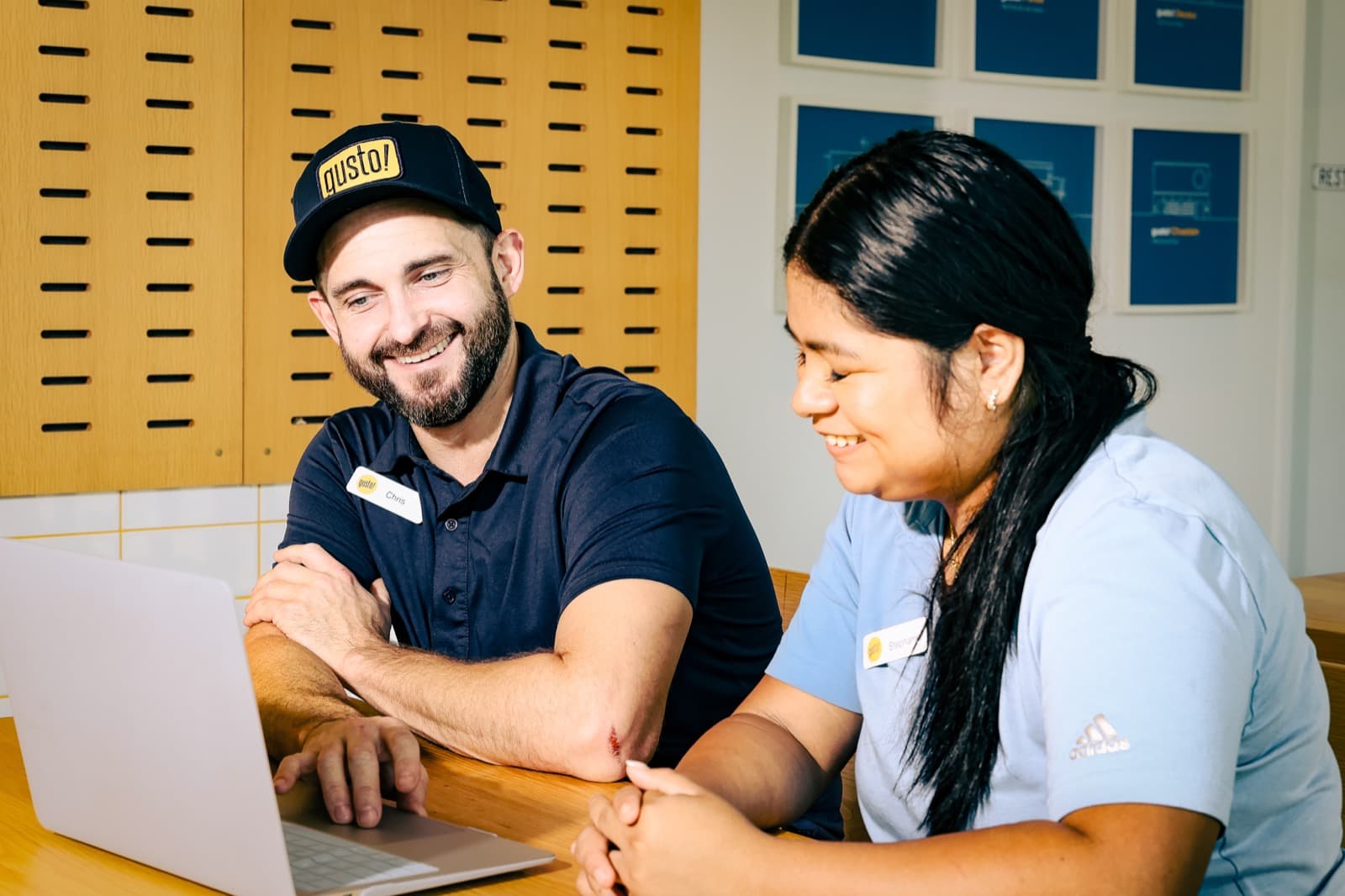
Make training hands-on, structured, and fast
Employees want to learn by doing. The effective onboarding formula = manager-led instruction + senior employee shadowing (wrapped within a clear one to two week window). Passive materials, like employee courses, can help supplement the gaps.
02
Use mobile-first, centralized communication
It’s not just about access to information but also the timing and clarity of it. Employees prefer in-person and mobile-first updates, and last-minute changes are the top pain point. Meet your team where they already are, and default to being direct and timely.
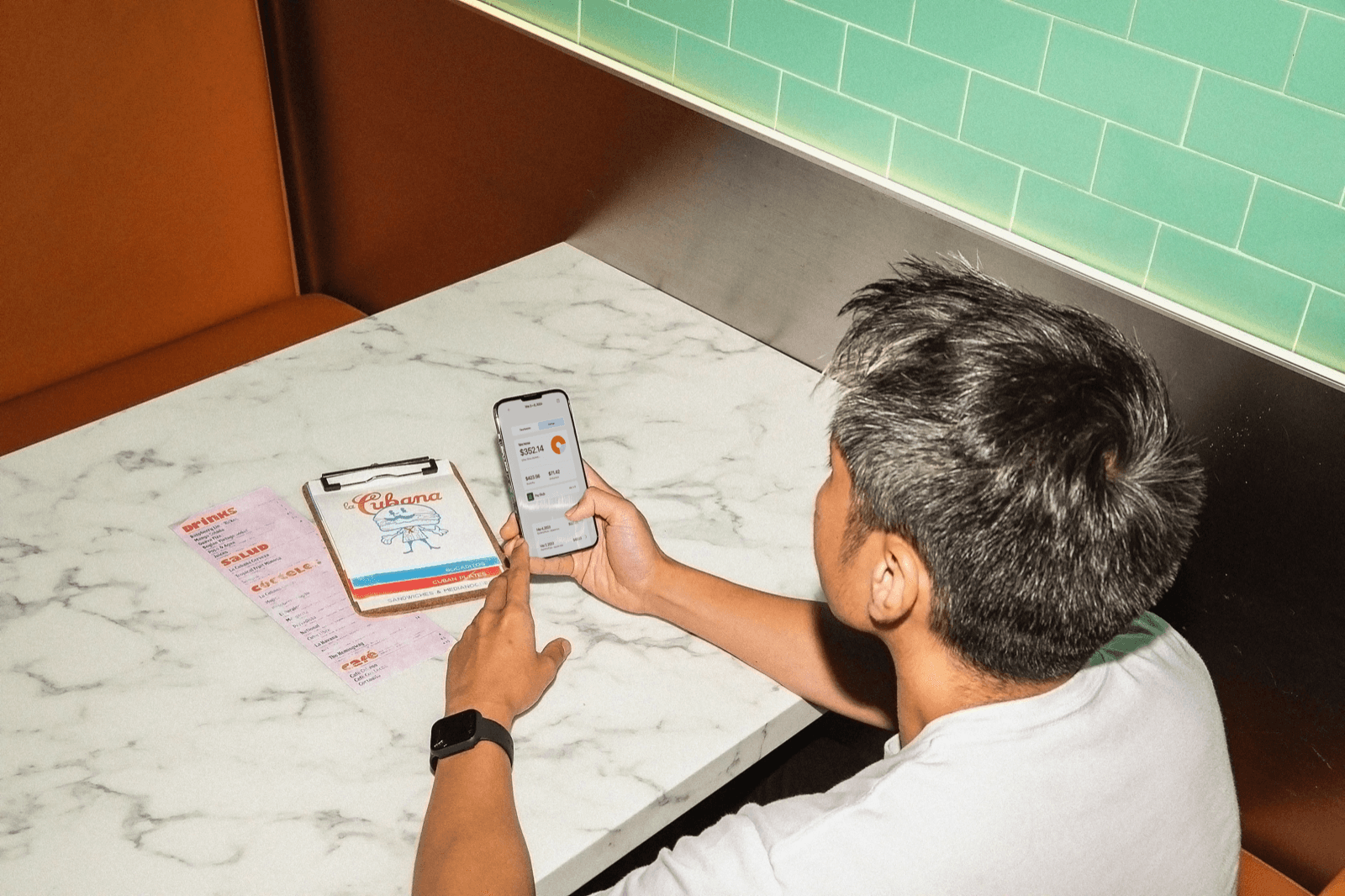
03
Make recognition a habit, not an event
Recognition is one of the strongest drivers of satisfaction, yet more than 1 in 5 employees rarely receive it. Build simple, regular feedback moments into your management SOPs so employees feel seen.
Good tech = Higher job satisfaction
Restaurant technology impact rating
64%
Say the tech their restaurant uses has an impact on their job satisfaction
Technology might matter more than you think. The tools a restaurant uses aren't just an operational decision. They're an employee experience decision, too. Nearly two-thirds of employees say it positively impacts their job satisfaction, with one-third describing that impact as significant.
Real restaurant story
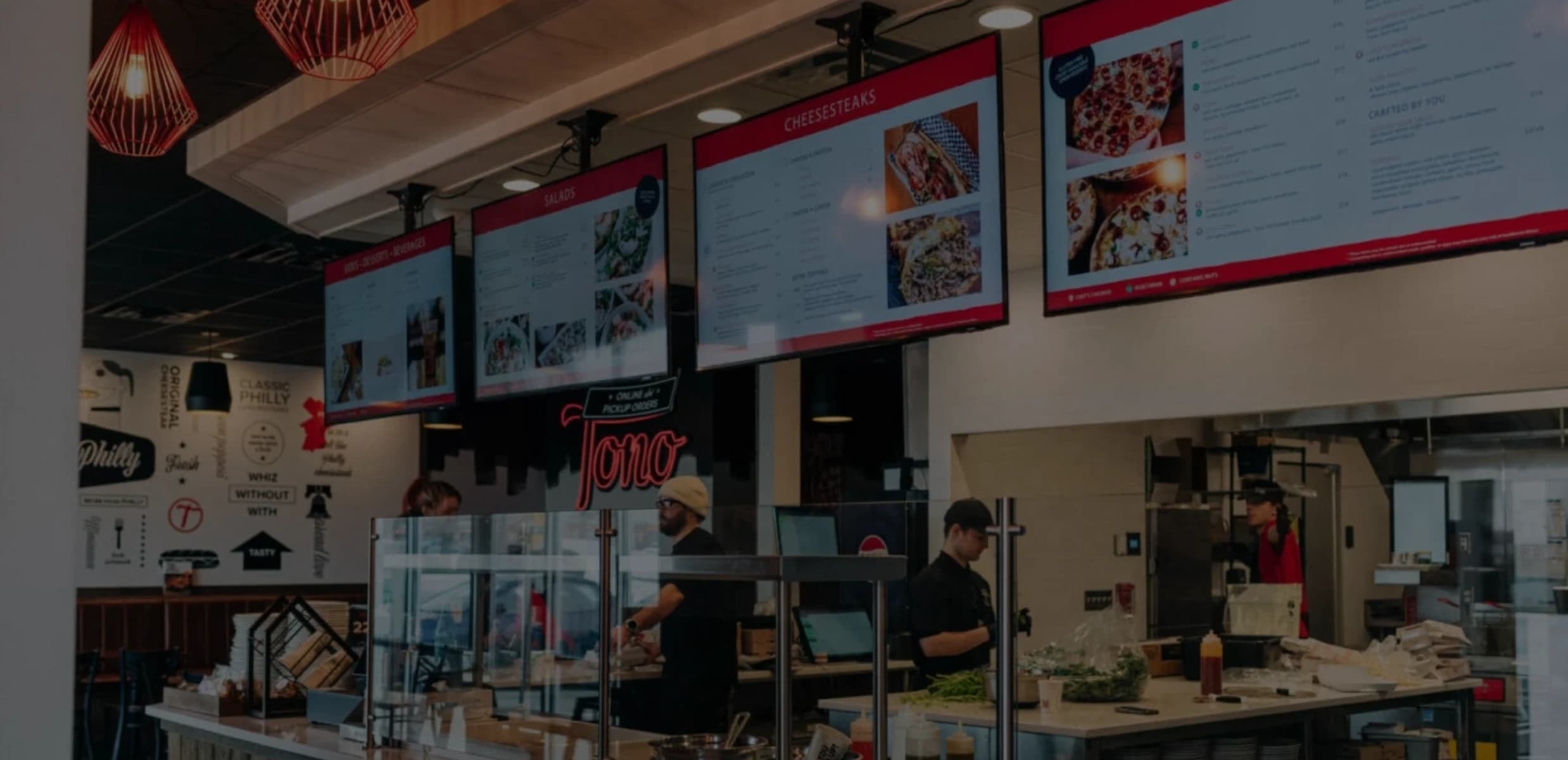
Tono Pizzeria reduced
turnover by 25%
Trevor Guy, IT Manager at Tono Pizzeria, estimates employee turnover lowered by 25% after putting the right tools in place. Bonus: the team became more connected, too.

Employees want schedule visibility (and the ability to act on it)
Most valued employee
scheduling features
*Respondents
selected up to 3
Getting notified about schedule changes immediately
Viewing my schedule on my phone
Picking up open shifts & trading with coworkers
Setting availability & requesting time off from phone
Getting shift reminders
62%
54%
53%
50%
30%
Employees don't just want to see their schedule—they want to act on it. Instant notifications paired with mobile access and shift flexibility all point to the same need: visibility is only useful if it comes with control. The takeaway? The best scheduling experience keeps people informed without making work the center of their lives.
The schedule
advance gap
Schedule advance
gap for employees
28%
14%
43%
38%
20%
37%
5%
6%
4%
6%
There's a clear mismatch between when workers receive their schedules and when they want them. 28% only see their shifts a few days in advance, making it harder to plan life outside of work. The sweet spot, according to 75% of employees? One to two weeks in advance. Closing that gap is one of the easiest wins for operators (and the right scheduling software can help get you there).
Payday isn't the
only moment that matters
Getting paid faster after pay period ends
1st
*tied
Seeing hours worked in real time
1st
*tied
Option to receive a payment in advance
3rd
*tied
Viewing pay stubs on my phone
3rd
*tied
Knowing exactly how pay & tips are calculated
5th
Being notified when payroll is processed
6th
Receiving direct deposit tip payouts
7th
Accessing past pay history anytime
8th
Easily reporting a pay discrepancy
9th
Most valued employee
payroll features
*Ranked in order of
importance by employees
Employees want more than accurate, on-time pay. They want to see hours in real time, understand the math, check details on their phone, and get paid faster when possible. This shows payroll builds trust long before the money lands.
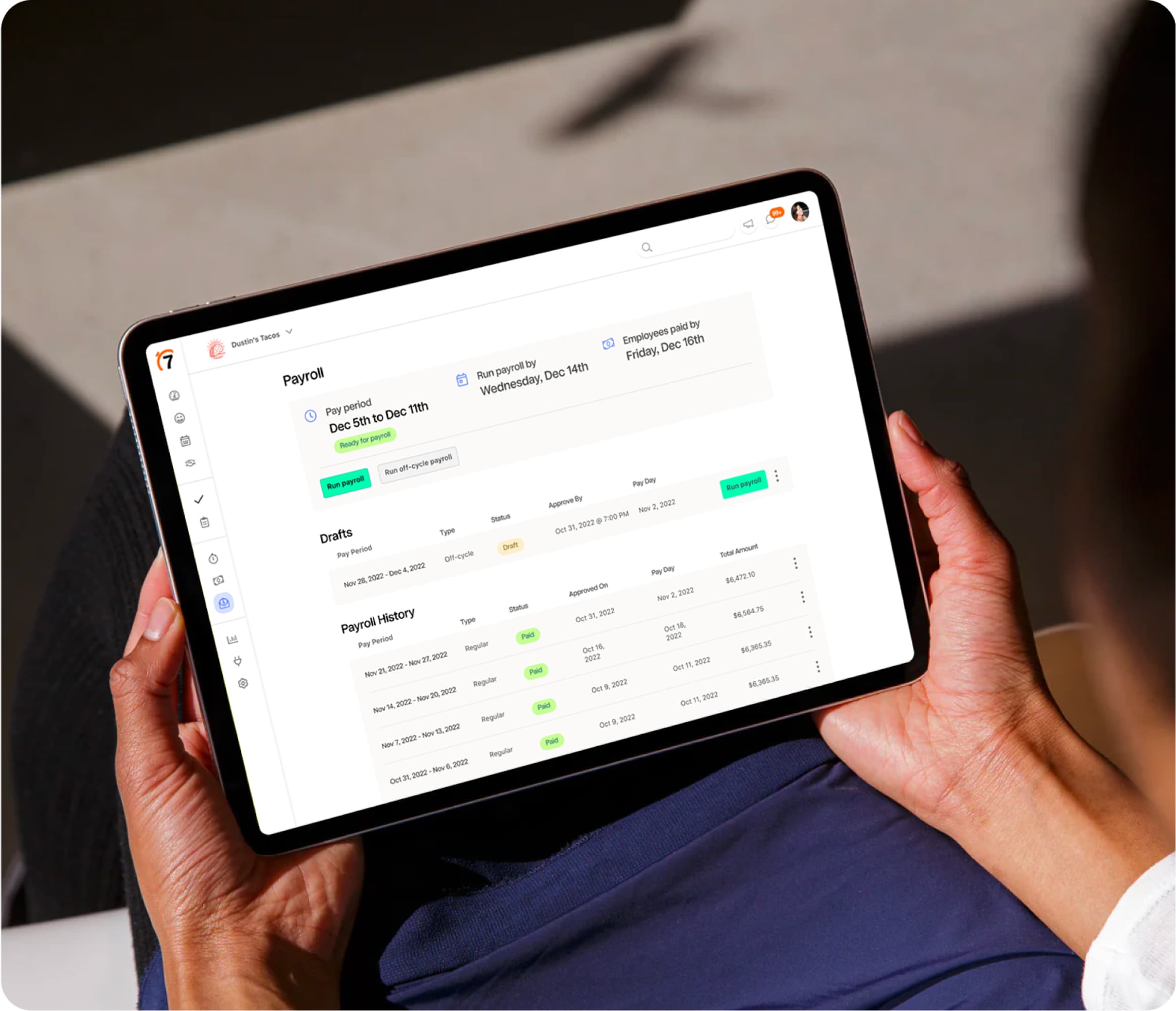
Find out why 1.5 million restaurant workers love 7shifts for scheduling, payroll, team management, and more.
Start your free trialWhat employees want(in their own words)
To close things out, we asked employees what they wish they could change about their current restaurant job. And their responses pretty much sum up the rest of our findings.

ORDER #19827349
Consistent schedules
“I would change the inconsistent scheduling and low pay because it can make it hard to plan your life and feel financially stable. Having more predictable hours and better compensation would make the job less stressful and more sustainable long term.”
ORDER #349857349
Manager support
“Having managers back up their employees more. A lot of customers can be disrespectful, and the situation feels worse when your manager doesn’t handle it well and gives you all the blame.”
ORDER #83759323
Better training
“Training—if employees were trained better, it would make such a positive difference for everyone: co-workers, managers, and customers.”
ORDER #65787623
Adequate staffing
“The one thing I would change about working in my current job is to have a decent amount of employees so that way, it wouldn’t put so much stress on the ones who are there.”
ORDER #09783454
Clear communication
“More communication. It’s hard when one person tells you something and then another tells you different.”
Learn proven strategies to keep your team happy and tackle turnover.
A final note from our CEO
“Running this survey for the second time reinforces something I believe deeply: you can't build a great restaurant team based solely on assumptions. You have to ask.
And what employees are telling us right now is worth paying attention to. Being understaffed is the number one stressor. There's a real gap between the benefits operators offer and the ones employees actually want. And when it comes to how people want to be trained and communicated with, the bar is higher than most operators realize.
The restaurant industry looks different every year: labor markets shift, economic pressures change, and the workforce itself evolves. Having a fresh read on what employees are actually feeling right now, not two or three years ago, is what separates informed decisions from assumptions.
The restaurants that will win in this environment aren't necessarily the ones with the biggest budgets or the most locations. They're the ones that treat their employees as the center of the operation. Because frankly, they are. Every guest experience starts with a team member. Every retention problem starts with a person who didn't feel valued.
We started 7shifts because we believe that when restaurant teams run better, everything else follows. This report is a reminder of why that mission matters—and a blueprint for any operator who wants to build a team that lasts.”
Jordan Boesch
Founder & CEO of 7shifts

Survey demographics
This survey, conducted independently from February to March 2026, received 1,074 responses from restaurant workers in the United States.
Age range
Restaurant type
Front vs back of house