|
|
|
|
Running a restaurant in 2025 is no joke. It’s chaotic, expensive, unpredictable, and pretty flipping hard. And yet… somehow, every day, people pull it off. Kitchens stay humming. Guests keep coming. Teams show up and give it their all.
That’s why recognition matters. Because when restaurants do get it right––when a manager builds a team culture people actually want to work in, when a line cook holds the entire night’s operation together––that’s not luck. That’s excellence worth celebrating.
In this edition, we’re celebrating the winners of our 2025 Restaurant Innovators Awards, plus a few standout stories from some of the best new restaurants across North America.
|
|
|
|
 |
And the winner is… |
 |
The best (of the best) restaurants |
 |
Recognition that actually lands |
|
|
|
|
To all the restaurant MVPs out there: we see you.
|
|
 |
STORIES FROM THE FLOOR
|
|
We’re jumping right in with our first category: The Best Boss Ever award. Except, we couldn’t just pick one, so here are two standout stories from our list of top bosses.
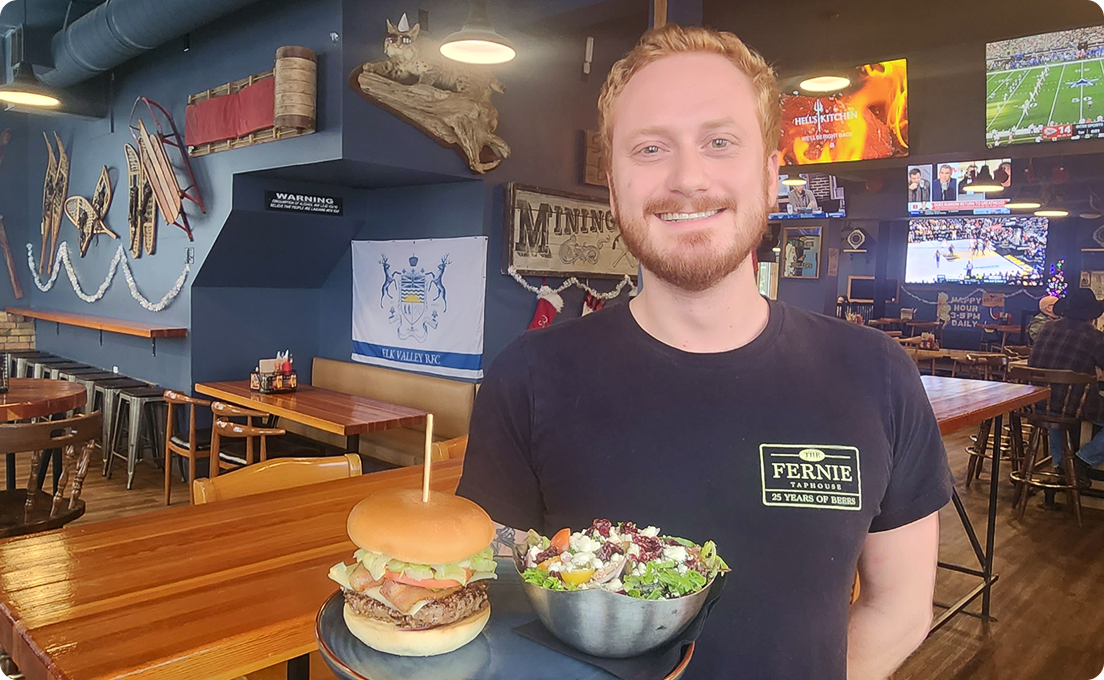
🏆 Jake Lonie, Head Chef of The Fernie Taphouse in British Columbia
Jake showed up in Fernie with a can-do attitude after losing everything in the Jasper fires. And that attitude turned into a rocket-ship rise from Sous Chef to Head Chef in under a year. Even while rebuilding his own life, he’s seen as the steady, positive force his kitchen needed—staff love him, guests love him, and it’s hard to find anyone that doesn’t. As one employee puts it, “Jake’s positive energy has truly revitalized the restaurant. It’s a pleasure to work under Jake, and I can’t think of anyone more deserving.”
|
|
|
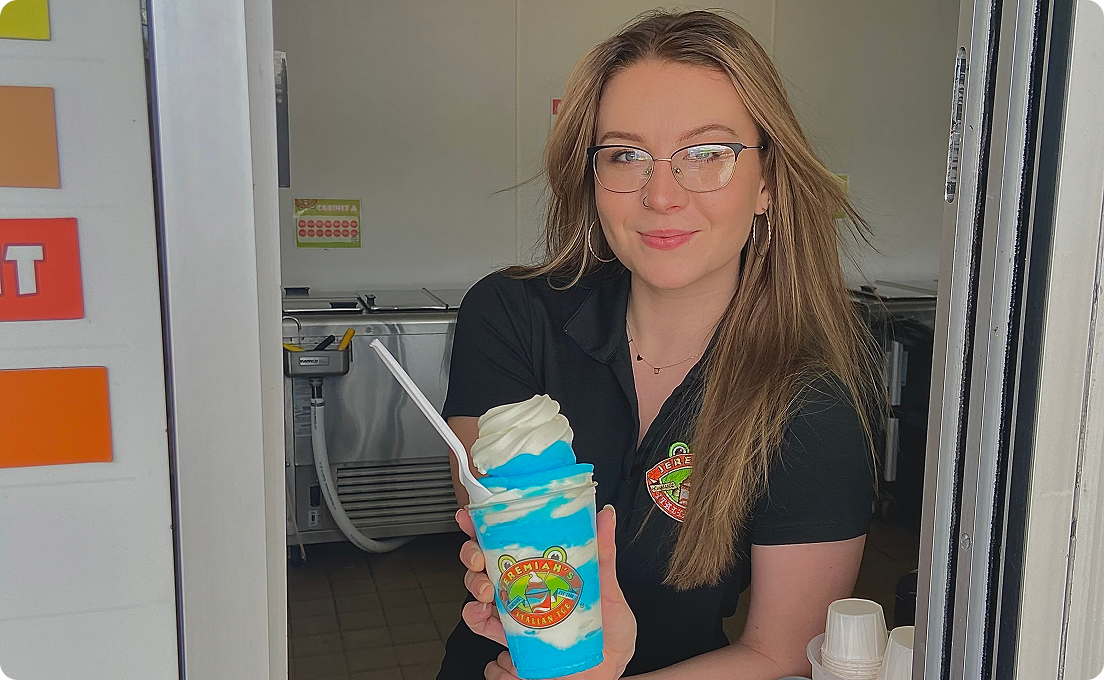
🏆 Dakotah Pompura, Senior Training Manager of Jeremiah’s Italian Ice in Florida
Dakotah isn’t just running training—she’s rewriting what great training looks like. She’s the force behind the evolution of training content at Jeremiah’s, creating on-demand videos and dynamic webinars that make learning accessible, engaging, and scalable across the organization. And beyond that, she works directly with the R&D and Ops teams to vet new products, processes, and initiatives to make sure they’re actually teachable before they ever hit the stores. Simply put, Dakotah has changed what training can (and should) look like.
|
|
|
Here’s a standout story for our Unsung Hero award that we just couldn’t leave out. And yes, being a James Beard finalist and winner of Beat Bobby Flay are some impressive accolades to have on his resume, but this chef is a true champion for wanting the best for others.
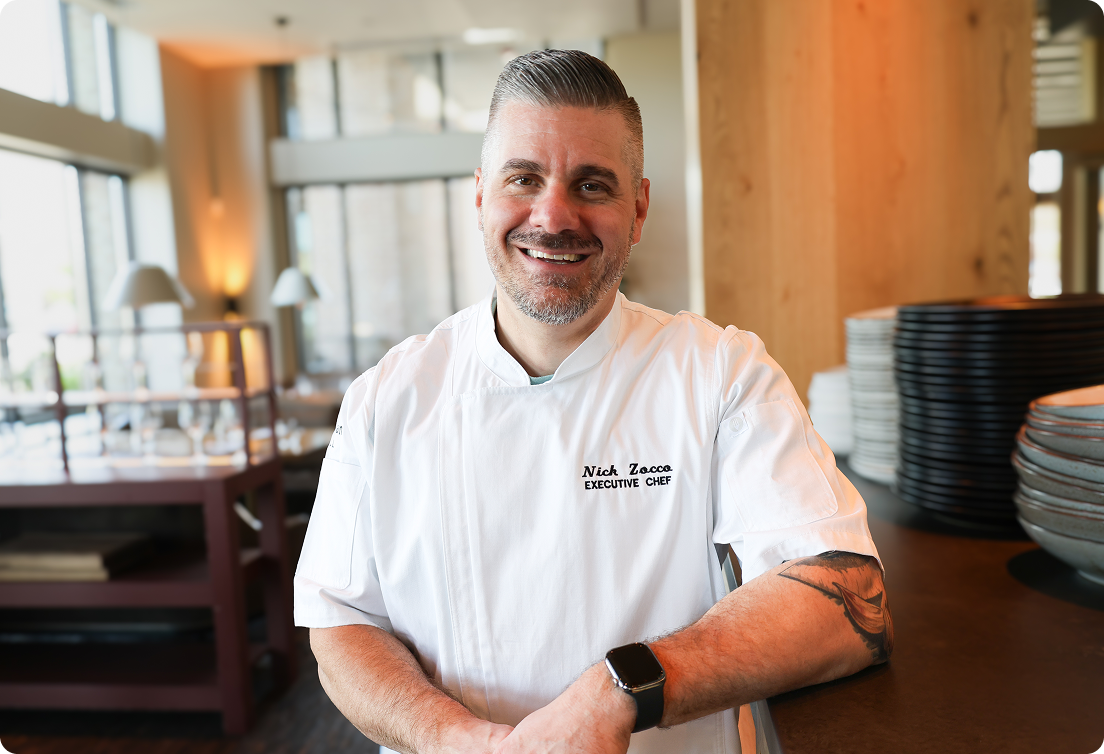
🏆 Nick Zocco, Executive Chef of Urban Hill in Utah
After overhearing that one of his cooks was struggling with immigration issues, Nick got ownership involved and helped connect them with a law firm—and financial support. He’s also shown up for other cooks during tough moments, including when one team member lost a brother and was going through a hard time. As the restaurant owner put it: “Nick makes everyone in the kitchen and in the dining room feel heard, seen, and encouraged. Thank you, Nick!”
|
|
|
 |
HEARD!
|
|
We also had a few winners of our Industry Voice award stop by The Pre-Shift podcast. Here’s what they had to say about becoming a voice for restaurants:
🏆 Justin Khanna
Chef, content creator, and founder of the modern hospitality training company Repertoire, Justin Khanna breaks down two key opportunities for restaurant content.
- Educational content: Many kitchen skills are learned the hard way. Justin’s content breaks down essential lessons—like knife skills, butchering, and station setup—so beginners can learn what used to take years to figure out. Essentially, ask yourself what you wish you knew from the start… and create content around that.
- Problem-solving content: Justin tackles industry challenges by spotting gaps, testing what works, and sharing solutions to help others avoid pitfalls. While he can’t make every problem go away, his goal is to help others make smarter decisions overall.
And his advice for anyone trying to break the restaurant content niche?
Quoting Gary V: “Document, don’t create.” Your day-to-day work––running a station in the kitchen or prepping juice at an externship—is content in itself. It’s less about offering authoritative advice and more about showing the process.
Listen to Justin’s podcast episode or read the recap.
🏆 Shawn Walchef
Founder of Cali BBQ Media, Shawn Walchef, discusses the importance of having an industry voice––and why you need to share your restaurant story with others. While many operators may believe in an if-you-build-it-they-will-come philosophy, he has a different perspective.
“In the modern media world, that is just not true. You need to be a storyteller. You need to be the one who lets people know why they should come buy barbecue from you, how you make your barbecue, why you pick the recipe that you pick, and why you have the smokers that you use.”
And while many restaurants use social media to get people through the door, Shawn offers a different take: “We do not go to social media saying, ‘I want to be sold to.’” Instead, it’s about sharing your story, providing value, and building an audience long before you ask them to walk through the door.
Listen to Shawn’s podcast episode or read the recap.
|
|
|
 |
SPOTLIGHT
|
|
|
|
|
Explore every winner’s story
|
Meet the operators, managers, and employees making a real difference. See who won for awards like the Culture Catalyst, Local Legend, and Empire Builder.
|
|
|
 |
RESTAURANT HEADLINES
|
|
Air Canada rounded up their top 10 new restaurants in Canada for the year. Here’s a peek at two of the top picks:
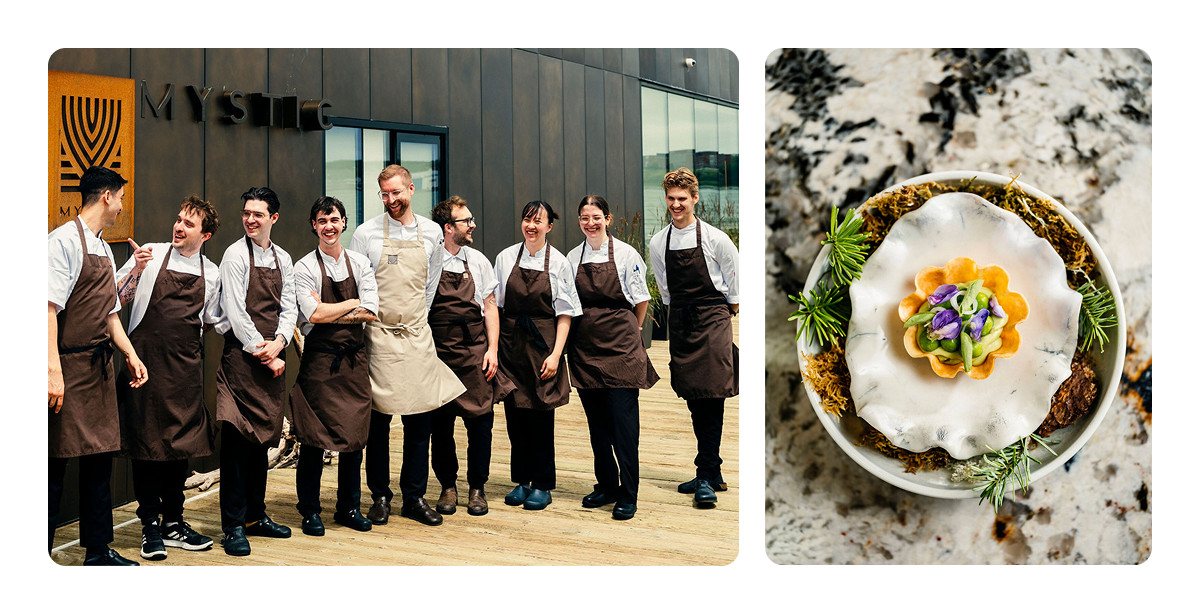
🏆 Mystic in Halifax, Nova Scotia
Mystic isn’t just another fine-dining spot––it feels like a secret conversation with the sea. Perched on the Halifax waterfront, the restaurant was designed with intention, echoing the ebb and flow of the ocean in its architecture.
With Chef Malcolm Campbell leading the kitchen, there are a few ways to experience a table. The signature tasting menus, Fauna and Biota, offer an eight-course journey to guide you through land and sea. Think: monkfish paired with potato pearls and pine emulsion. Or taste The Discovery Menu blindly at the galley counter, with a limited number of guests each night. Think: tuna paired with rhubarb, umeboshi, and fennel.
Even the plates and serving pieces are works of art, made by Heather Waugh Pitts, a ceramicist from Dartmouth, rooting every dish in local artisan craft. The idea is to be warm, not stiff—like dining right in someone’s home.
“Mystic stands as a manifesto: an expression of place, curiosity, perseverance, and reverence, tempered by salt air and East Coast spirit.”
|
|
|
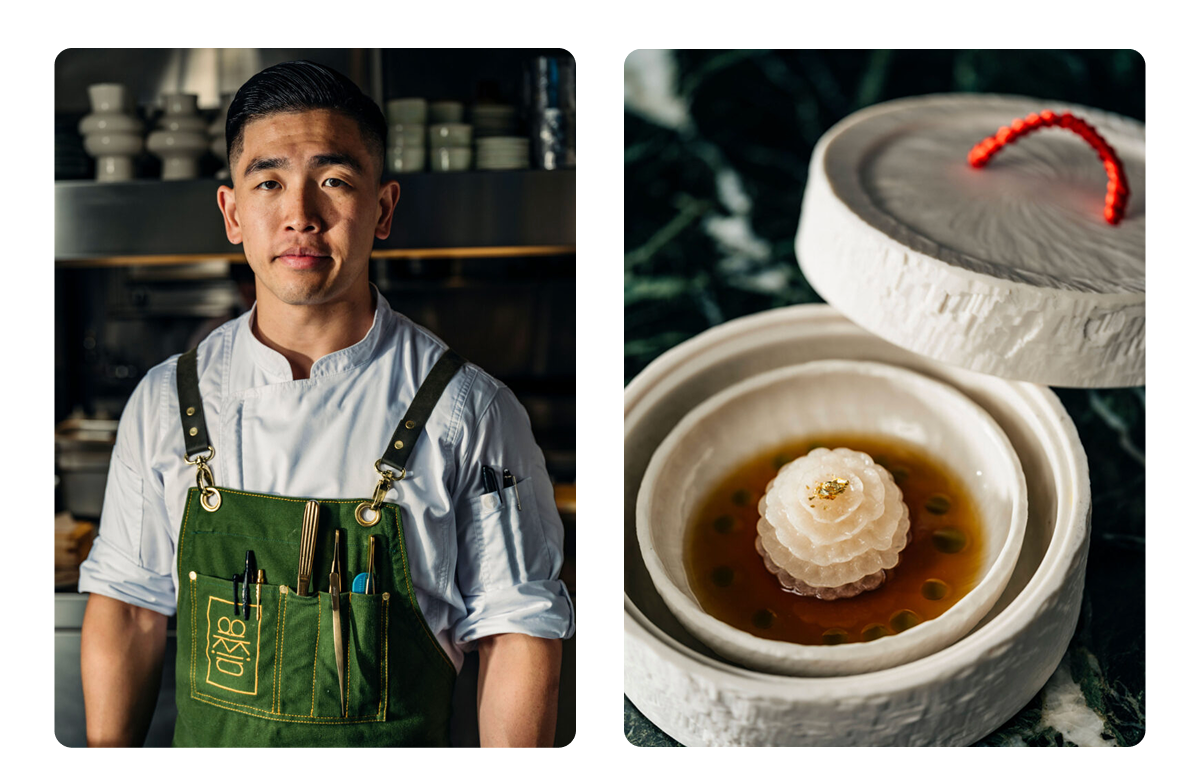
🏆 aKin in Toronto, Ontario
aKin is a 28-seat restaurant serving a 10-course blind tasting menu, quickly earning a reputation as one of Toronto’s premier Asian dining spots. Co-founded by Eric Chong (the first-ever MasterChef Canada winner) and culinary legend Alvin Leung, the name—aKin—pays tribute to their shared Chinese-Canadian roots, engineering backgrounds, and Chong’s grandfather, Kin.
Chong draws inspiration from his chemical engineering background, approaching each dish with a methodical, experimental mindset. Classical tradition guides the flavors, while modern techniques shape the execution. Think: crystal dumplings pleated 100 times.
Chong’s story is especially touching: at six years old, he would watch his grandfather make dumplings, only to be told, “Never be a chef. The hours are too long.” Still, Chong was inspired by him—and named this flagship restaurant in his honor.
“aKin is what comes after nostalgia—a place where tradition is preserved, then transformed.”
|
|
|
Eater also crowned their list of best new restaurants in America for 2025, which includes these standout stories:
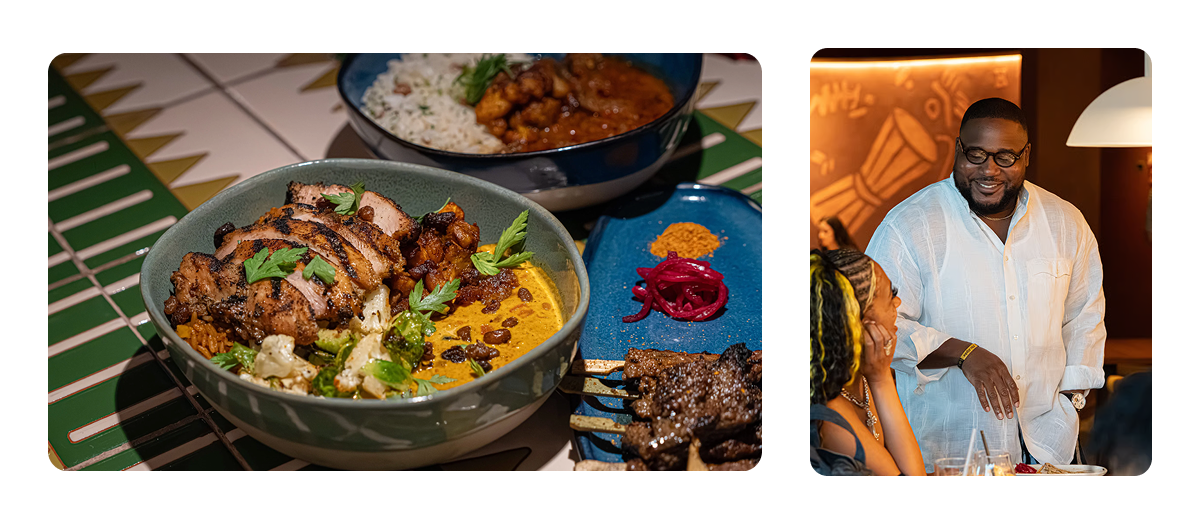
🏆 ChòpnBlọk in Houston, Texas
ChòpnBlọk is a celebration of the West African diaspora in the heart of Houston. Chef-entrepreneur Ope Amosu’s journey is inspiring: he didn’t come from classical culinary school. He was working a Fortune 500 corporate job while picking up night shifts to cook at Chipotle. Then, he gradually built ChòpnBlọk from pop-up beginnings into a food stall in downtown Houston’s Post Market… and now into a full brick-and-mortar on Westheimer Road.
What’s cool is how deeply personal the food is: he leaned on home cooks (even his cousin Elizabeth Jagun) to refine dishes like jollof rice, honoring how that one-pot staple varies across Nigeria, Ghana, Senegal, and beyond. One standout dish? Buka stew, a traditional Nigerian red stew––served with rice and sweet plantains.
But beyond ChòpnBlọk’s eats, it’s a cultural hub. Amosu is using this restaurant as a way to make West African cuisine more familiar in Houston, not in a tourist-exoticized way, but as something deeply rooted and communal.
“Equal parts party and gastronomic history lesson, the restaurant celebrates the African diaspora’s legacy of flavor, fusion, and downright fun.”
|
|
|
|
🏆 Betsy in Altadena, California
Betsy is pretty much a comeback story in restaurant form. Restaurateur Tyler Wells first opened it as Bernee—right before the Eaton Fire tore through Altadena, just 33 days later. It returned as Betsy, a live-fire spot built on smoke, grit, and second chances.
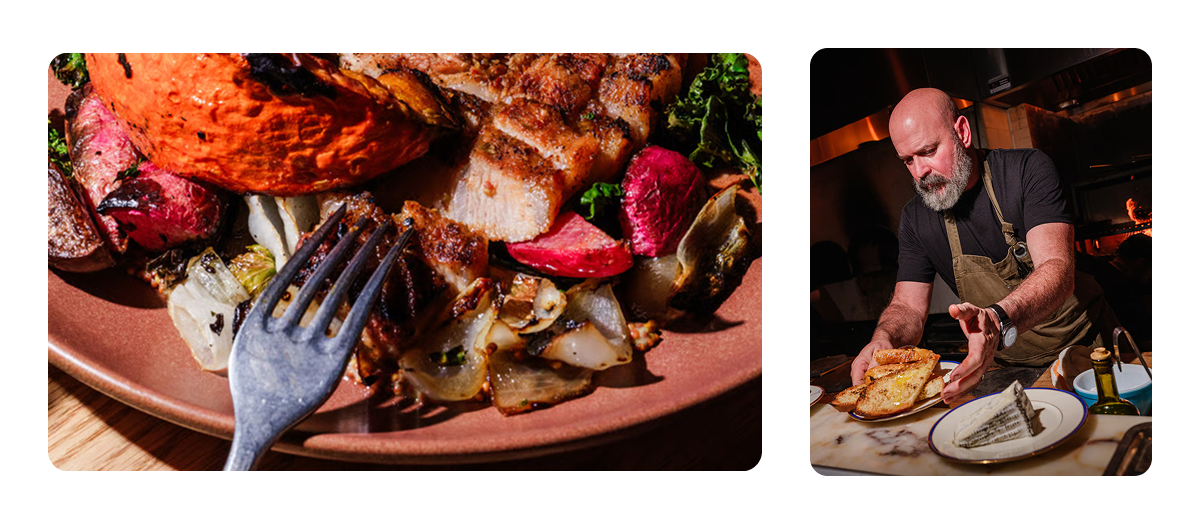
Nearly everything here gets hit by the hearth. Ibérico pork with smoky corn, fish over blistered tomatoes, a Basque cheesecake with that perfect burnt-top-meets-silky-center moment—if it touches fire, it’s on the menu. The room runs warm from the fire, balanced by a bright, refreshing wine list.
But the real magic? Betsy has become a hangout for a community rebuilding itself. People linger. They come back. They bring friends. In a tough year for Altadena, Betsy feels like a small, steady flame that refuses to go out.
“The atmosphere thrums with the desire to connect and linger, a vibrational pull that has converted many first-time diners to regulars even in its early months. Will Altadena heal? Yes. Will Betsy persist? If its unusual first year is any indication, absolutely.”
|
|
|
 |
À LA CARTE
|
|
|
|
|