|
Know someone who’d like to read this? Forward it here.
|
||||||||||
 |
||||||||||
|
New year, new shift! For diners, January is slow. For operators, it’s strategy season. It’s the month to rebuild, refresh, and make the changes you actually want to stick before the year ramps up. The work you do now becomes the difference between staying ahead and playing catch-up all year. And because a solid plan needs good intel, we’re breaking down the trends that will shape 2026—how diners are spending, what’s rising, what’s slowing down, and where operators can find real opportunities. |
||||||||||
|
||||||||||
|
||||||||||
 |
||||||||||
|
POV: your restaurant glowing up for 2026 after you get all the insights you need from this issue 💅
|
||||||||||
|
||||||||||
|
What’s really happening in the restaurant world heading into 2026? According to OpenTable, things are looking busier(!) than last year for dine-in:
|
||||||||||
|
||||||||||
|
||||||||||
|
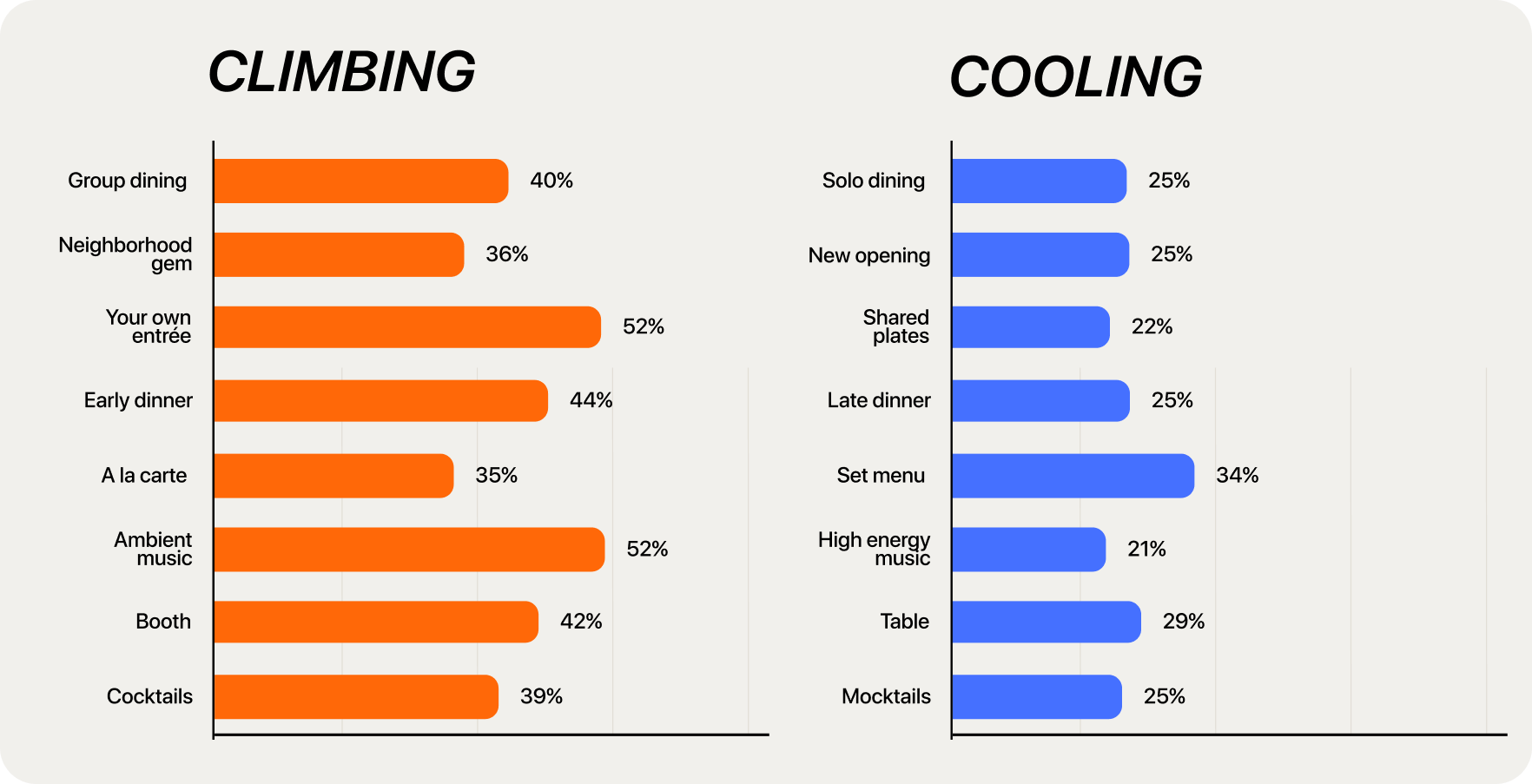
They also asked diners what’s climbing––and what’s cooling—for 2026:
|
||||||||||
 |
||||||||||
|
||||||||||
|
A few tips for the first month of the year, aka: what nobody tells you about January in the restaurant industry.
|
||||||||||
|
||||||||||
|
||||||||||
|
The average family can expect to pay nearly $1,000 more for food this year––at least in Canada. Dalhousie University’s 2026 Food Price Report forecasts a 4 to 6% jump in food prices next year. And prices have gone up 27% over the last five years. So if it feels like every checkout total is getting higher… it’s because it is. Of course, restaurants aren’t dodging any of this. Prices are rising for a whole mix of reasons—trade tensions with the U.S., labor market shifts, policy changes, currency pressure, climate change—the works. Beef is getting hit the hardest. Ongoing droughts are making it more expensive to feed cattle, and ranchers are shrinking their herds, leaving less inventory on both sides of the border. With steak becoming a luxury item, more households are shifting to chicken… but underproduction (and avian flu) means chicken prices are set to climb too. And coffee lovers (or coffee shop operators), brace yourselves: extreme weather is messing with Arabica yields around the world, which means your fix is about to cost more. |
||||||||||
|
||||||||||
|
Menu engineering may be an always-on kinda project, but if there’s ever a time to shake things up (maybe due to the high food costs), it’s the start of the year. To help, Delish (and Yelp) say these five trends are on the rise: 🍛 Indian and Asian influence: Indian cuisine is having a moment, with searches for regional dishes, tiffin services, and restaurants like Semma and Gymkhana on the rise. Bonus: black sesame, a popular flavor in Asian culture, is sneaking onto everything from coffee to croissants, bringing nutty bitterness to menus. 🍬 Foreign treats go mainstream: Global desserts are trending hard. Searches for Mexican bakeries are up over 1,000%, with conchas and tres leches cakes taking center stage. Other trending searches include ‘Swedish candy’ (up 476%) and ‘BUBS Swedish Candy’ (up 610%). 🍞 Sourdough stays winning: Taylor Swift called it, we’re still in our sourdough era. While it may be a long-time tradition, it’s clear this trend isn’t going anywhere. Expect to see innovative sourdough flavors—like funfetti—and unexpected twists, like pizza and croissants. 🥤 Sip outside the box: Two drinks on the rise: the Sarti spritz (searches up 8,500%) and another fan favorite from Asia, matcha. Beyond lattes, matcha is showing up in creative concoctions like guava, horchata, and banana-infused drinks. 🍴 Buffet comeback: All-you-can-eat is making a serious comeback. From traditional buffets to sushi, hot pot, and Korean BBQ, it’s clear diners love the freedom to pile their plates high (and try a little bit of everything). FreshDirect (New York’s online grocer) also revealed its list of top food trends for 2026:
|
||||||||||
|
||||||||||
|
Another big trend for operators? Restaurant groups > restaurant chains. There’s a good chance that the cool new ‘independent’ spot you tried last week is actually part of a growing restaurant group. According to one CBC source, data shows that between 2020 and 2024, smaller chains and independent restaurants (which include restaurant groups) grew more than twice as fast as large chains within Canada. On the business side, there are a few pros to this: 💸 Buying power: Bigger orders = better pricing and higher margins. 🤝 Shared resources: HR, marketing, payroll, and even commissary kitchens cut costs and boost consistency. 🔐 Risk protection: If one concept slows down, others can carry the load. 👤 Staff growth: Team members can move between concepts or launch new ones without leaving the company. 📍 Market dominance: Multiple concepts in one area help groups quietly own a neighbourhood. But the cons? Diners might be getting the short end of the stick: 🔄 Homogenization: At a certain size, even “independent” concepts can start to feel the same. 🏢 Corporate creep: Growth—especially with private equity—can dull creativity. 💔 Less indie charm: Some diners prefer truly standalone spots and may feel misled. As the country gets more diverse, it’s clear diners want to try new things—not just stick to familiar favorites. Restaurant groups are one way to feed that demand, offering variety while still enjoying the perks of scale. |
||||||||||
|
||||||||||
|
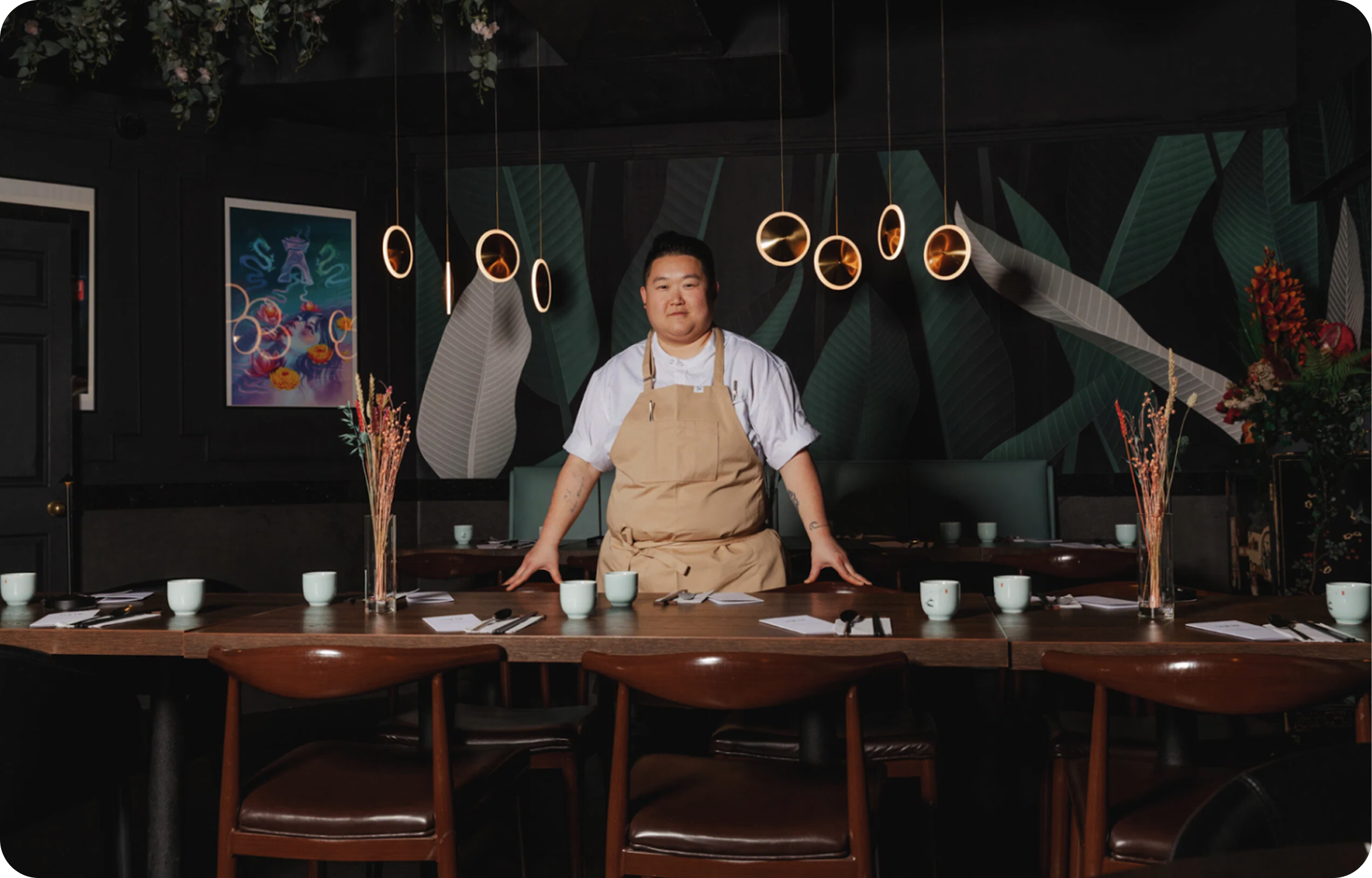
Speaking of restaurant types on the rise, we’ve got one more: micro-restaurants. All over the industry, chefs are downsizing on purpose—ditching big dining rooms for tiny, hyper-focused spaces where they can cook exactly what they want. Take Chef Eva Chin. After years in high-profile kitchens, she realized the bigger the restaurant, the further she got from the food. So she opened Yan Dining Room, a 26-seat back-room “private kitchen” inspired by Hong Kong’s si fong choy—the tradition of chefs cooking intimate meals in small hidden spaces. It’s part restaurant, part test kitchen, and entirely hands-on: she preps, cooks, and finishes every dish herself. And she’s not alone. Four-seat tasting counters, omakase shops hidden in storefronts, farm-to-table rooms the size of living rooms… micro-restaurants are popping up everywhere. And the perks are lower overhead, total creative freedom, and guests who want connection, not just a table turn. But tiny doesn’t mean easy. Eva points to the real challenges: finding staff who can handle the intensity, rising food and labor costs, and the realities of operating in tight, aging spaces. Still, for the right type of operator, this type of restaurant might just make sense. |
||||||||||
 |
||||||||||
|
Eva: “Larger spots with more staff have more efficient service, and some diners love the hustle and bustle of a big, crowded space. But, in my experience, true restaurant lovers tend to seek out intimate settings, not just transactional meals.”
|
||||||||||
|
||||||||||
|
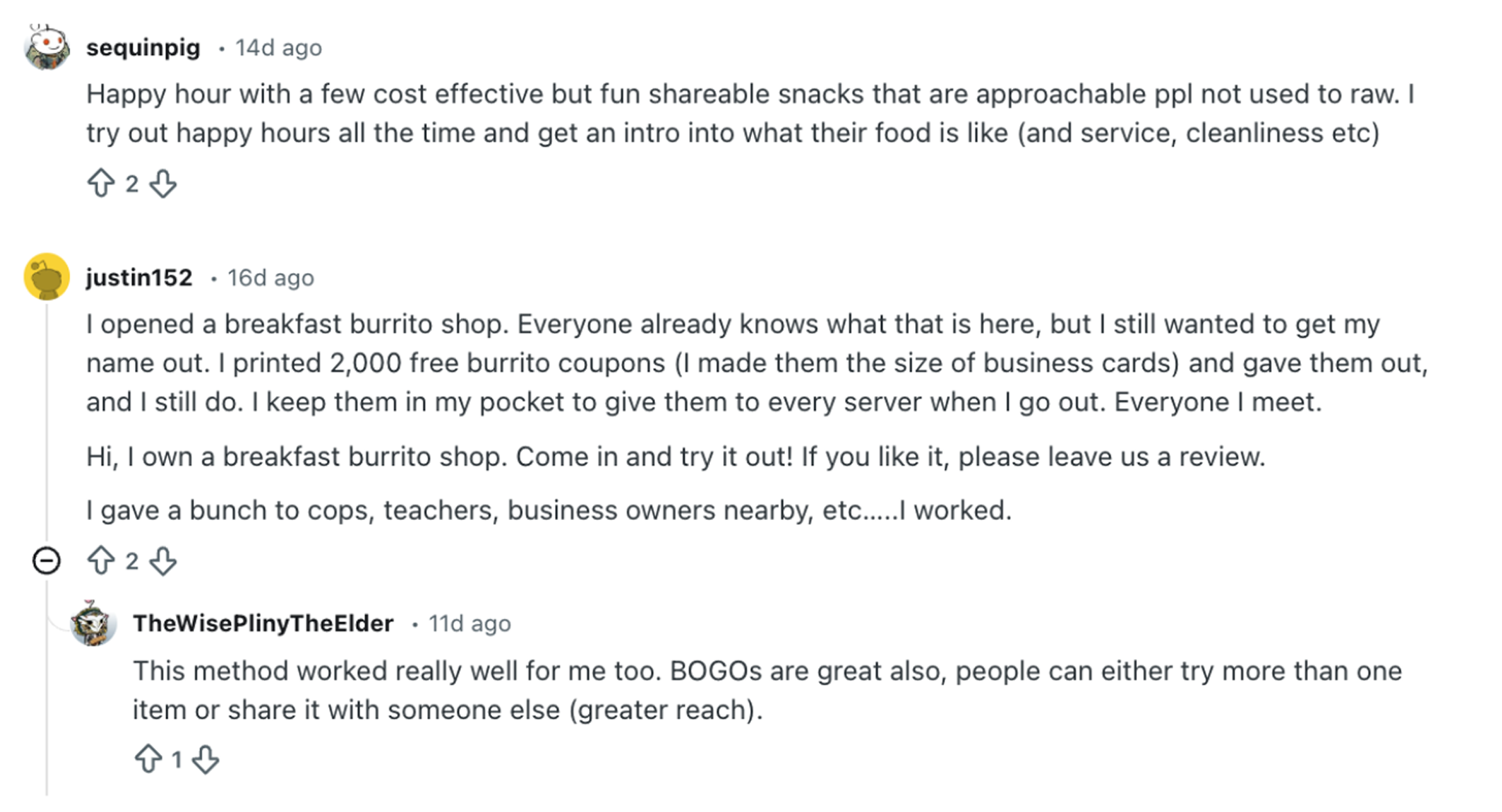
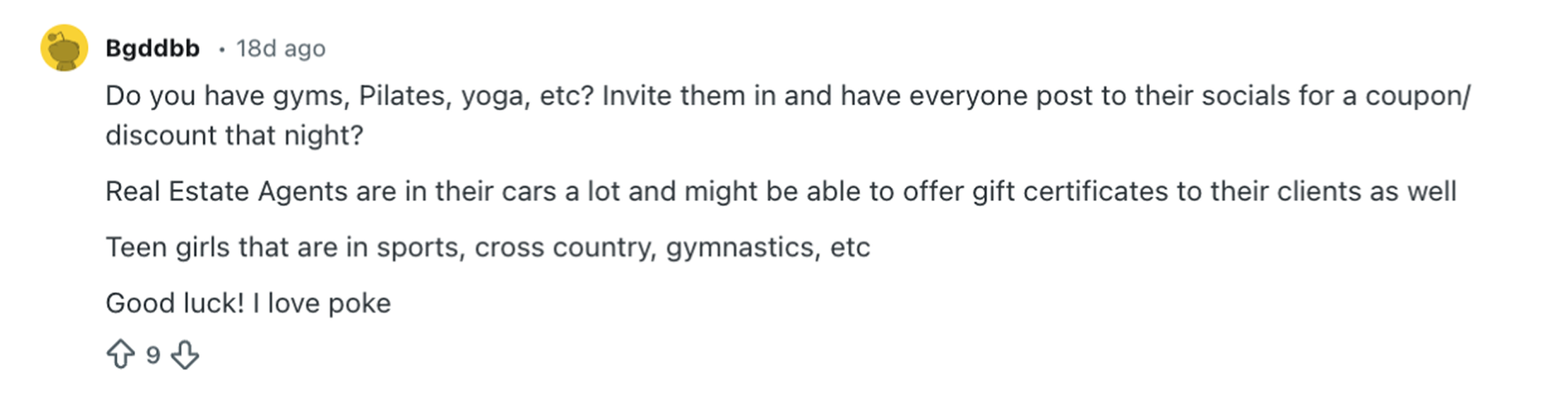
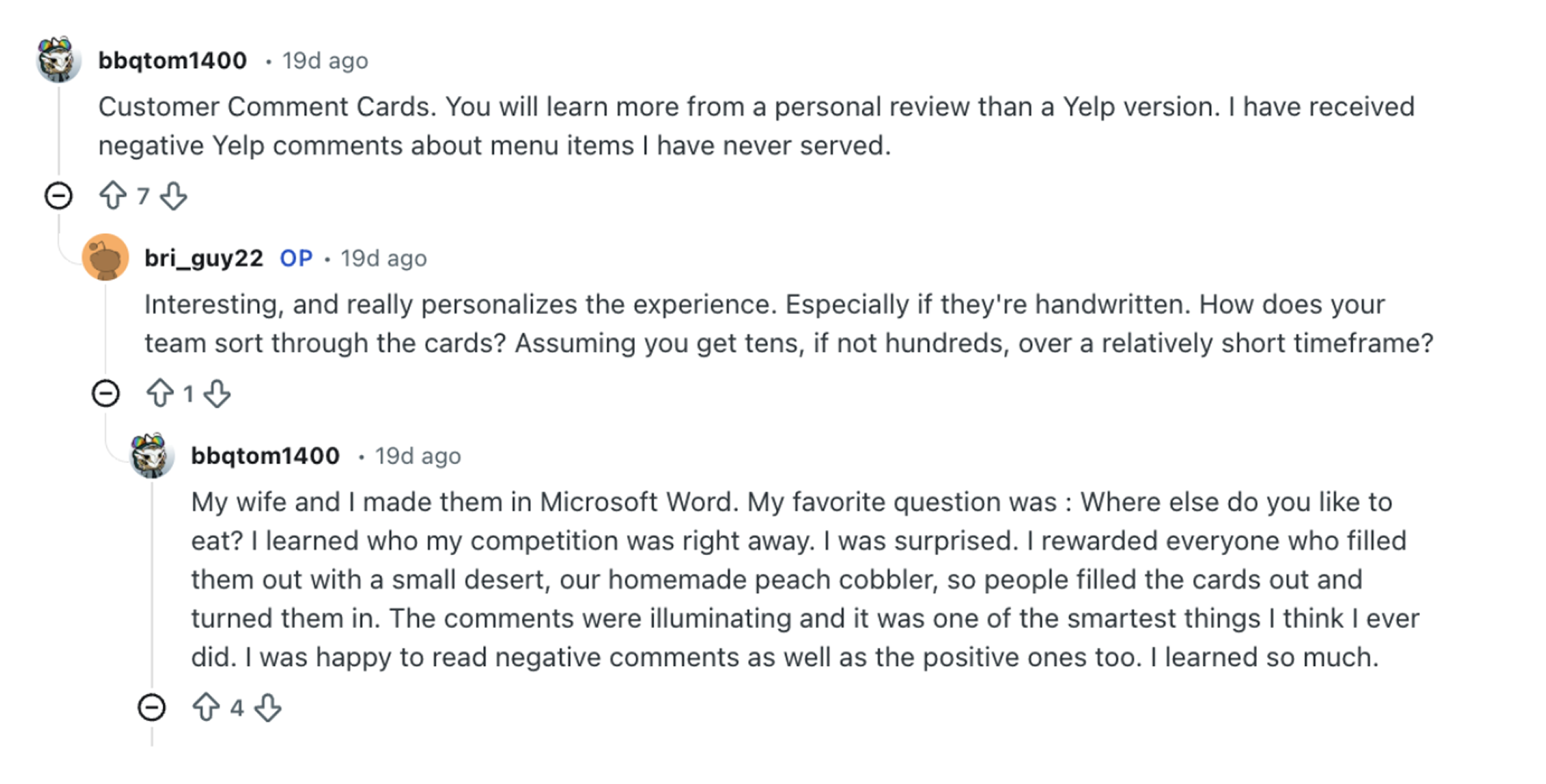
If you own (or operate) a restaurant, you may have come across this Reddit community already, where owners swap advice, vent, and share what’s actually working. But if you haven’t, we wanted to plug it as a solid resource for the new year. You’ll find conversations about tech, management, marketing, and even the nitty-gritty stuff, like how to handle a dine-and-dash situation. Here are some recent standout threads: |
||||||||||
 |
||||||||||
 |
||||||||||
 |
||||||||||
|
Side note: We have our very own customer comment card template available for free! If you’re down for more reading, give these threads a scroll for some classic operator dilemmas (or drop your two cents to help someone out): ⌛ Should you block off reservation times? 🚨 How to deal with a dine-and-dash-one-star-review-type situation |
||||||||||
|
||||||||||
|
You don’t have time for pointless articles. There aren’t those. 📖 9 strategies to improve your restaurant operations ⏰ Tips to improve your table turnover rate 📣 20 social media strategies to boost your online presence |
||||||||||

Food Runner archive
Loading content...